Home › Healthy Lifestyle & Preventive Care
Healthy Lifestyle & Preventive CareRest Days and Active Recovery Explained

Many people treat rest days as a sign of weakness, a gap in the plan, or a day they feel guilty about. In truth, rest days are where fitness is built. Training provides the signal, and rest is when the body repairs tissue, restores energy and adapts. Skip too much rest and progress stalls, motivation drops and injuries become more likely. On the other hand, some people take every rest day as a day of total stillness, when a gentle rest day workout could help them feel better.
This guide explains why rest days matter, how many you need, and the difference between complete rest and active recovery. You will find easy rest day workout ideas, sample weekly schedules for different goals, advice on sleep, food and mindset, warning signs that you need more rest, and answers to common questions. Everything here is general education, not personal medical advice.
Why Rest Days Matter
Exercise is a controlled stress. When you train, you break down muscle fibers, use up energy stores and tire the nervous system. Fitness improves not during the workout but afterward, when the body rebuilds stronger. This cycle of stress, recovery and adaptation is the basis of all training.
What happens while you rest
- Muscle repair. Damaged fibers are rebuilt, with protein and sleep playing key roles.
- Energy restoration. Muscle and liver glycogen stores refill from the carbohydrates you eat.
- Nervous system recovery. Hard training taxes the brain and nerves, which affects coordination and power.
- Connective tissue adaptation. Tendons, ligaments and bones strengthen more slowly than muscle and need time.
- Hormone balance. Rest helps regulate stress hormones, appetite and mood.
- Mental recharge. A break prevents burnout and keeps training enjoyable.
For a deeper look at the repair process, see our guide to muscle recovery after a workout.
What happens without enough rest
Training hard day after day without recovery can lead to plateaus, declining performance, nagging injuries, sleep problems, mood changes and, in extreme cases, overtraining syndrome, a state that can take weeks or months to recover from. More is not always better. Better is better.
How Many Rest Days Do You Need?
There is no single answer. Rest needs depend on your experience, intensity, age, sleep, stress and goals. Still, general guidelines help.
| Experience or situation | Suggested rest days per week |
|---|---|
| Beginner | 3 to 4 non-training days, with light walking |
| Regular exerciser (3 to 5 sessions a week) | 2 to 3 rest or easy days |
| Advanced lifter or athlete | 1 to 2 complete rest days, plus easy days |
| High stress, poor sleep or illness | Add extra rest or lower intensity |
| Older adult | 2 to 3 rest or easy days, with gentle movement |
Muscle groups need time
If you train the same muscles hard, give them 48 to 72 hours before the next intense session. You can train different muscles on consecutive days, which is why split routines work. See our guide to a weekly workout routine for ways to space sessions.
Include a deload week
Every four to eight weeks, reduce training volume or intensity by about 30 to 50 percent for a week. This helps clear accumulated fatigue and often leads to better performance afterward.
Complete Rest Versus Active Recovery
Complete rest
No planned exercise. You still move through normal daily life, but you do not train. Complete rest is best after very hard efforts, during illness, when you are sleeping poorly, or when pain or injury is present.
Active recovery
Light, low-intensity movement that raises blood flow without adding meaningful stress. It can reduce stiffness and soreness and help you feel better the next day. A good rest day workout should feel easy, restorative and enjoyable. A simple test: you should be able to talk comfortably, finish feeling better than when you started and have no extra soreness the next day.
Which should you choose?
- Choose active recovery for ordinary soreness, stiffness or a sedentary day.
- Choose complete rest when you feel unwell, exhausted, injured, very sore or emotionally drained.
- Alternate both across the week to suit how you feel.
Rest Day Workout Ideas
Pick one or two of these. Keep the effort at about 3 to 4 out of 10, relaxed and easy.
Easy walking
A 20- to 45-minute walk is the classic active recovery. It boosts circulation, lifts your mood and fits almost anywhere. Our walking plan includes easy-pace guidance.
Gentle yoga
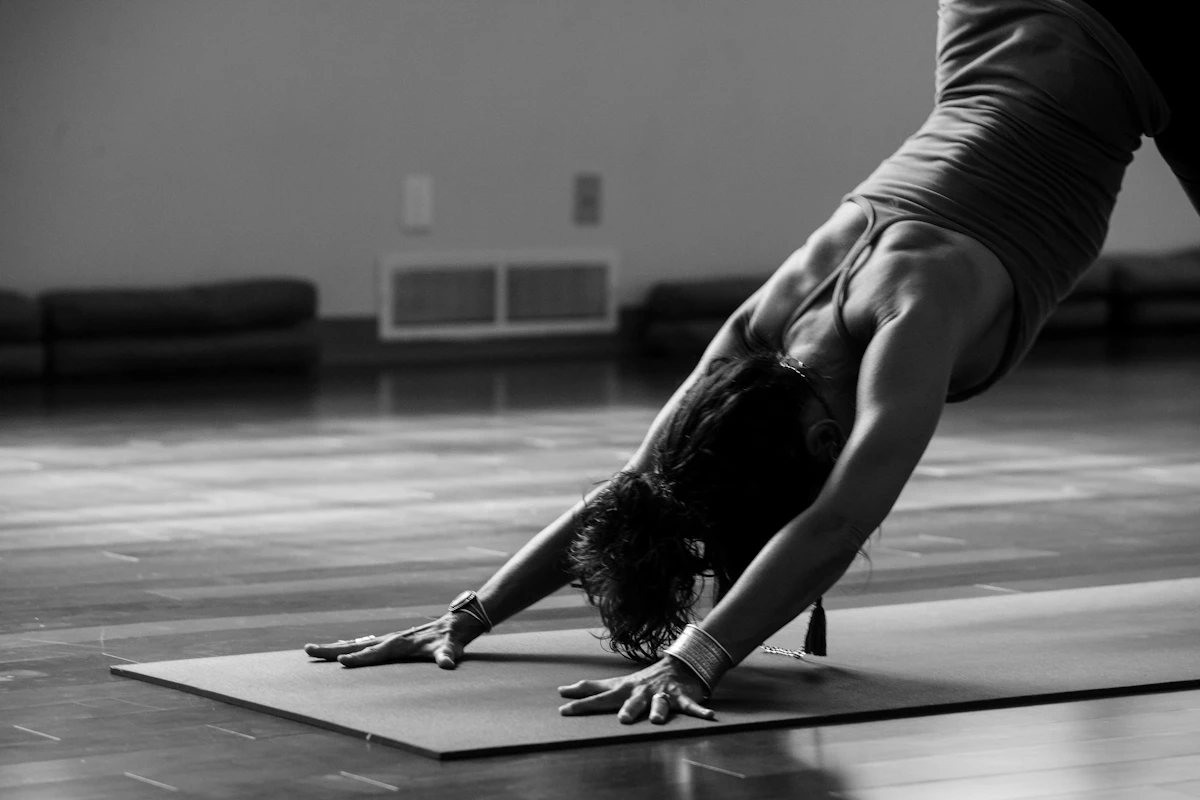
Slow, mindful yoga eases tightness and calms the mind. Try the poses in our yoga for beginners guide, or choose restorative poses held with props.
Stretching and mobility
A 10- to 15-minute routine of gentle stretches can reduce stiffness. Use our stretching routine for better flexibility as a guide.
Foam rolling and self-massage
Spend five to ten minutes rolling tight areas at moderate pressure. See our guide to foam rolling and mobility basics.
Easy swimming or cycling
Low-impact activities that support your body weight are kind to sore joints. Keep the pace relaxed and the session short.
Light bodyweight movement
A few gentle sets of squats, glute bridges and wall push-ups, kept well below fatigue, can feel good. This is not a workout in disguise. See our bodyweight exercises you can do anywhere for easy options.
Breathing and relaxation
Spend five minutes on slow breathing or mindful body scans. Our guides to breathing exercises for calm and focus and mindfulness meditation are a good place to start.
Time in nature or play
A hike on a gentle trail, a game with your children, gardening or an easy stroll in a park provides movement and mental refreshment.
A gentle 15-minute rest-day flow
If you want something structured, try this: walk easily for five minutes, then do cat-cow for ten breaths, a low lunge stretch for 30 seconds each side, a seated forward fold for 30 seconds and a supine twist for 30 seconds each side. Finish with two minutes of slow belly breathing. Keep every movement smooth and pain-free, and stop earlier if you feel tired.
A quick daily readiness check
Before deciding between training, an active recovery day or complete rest, rate three things from one to five: how well you slept, how sore you feel and how motivated you are. If the total is low, choose a gentler session or rest. If it is high, train as planned. This simple habit takes ten seconds and helps you respond to your body instead of a rigid calendar.
Sample Weekly Schedules
Use these as templates and adjust them to your life.
Beginner (3 training days)
| Day | Plan |
|---|---|
| Monday | Full-body workout |
| Tuesday | Rest day workout: 20-minute easy walk |
| Wednesday | Full-body workout |
| Thursday | Complete rest or gentle stretching |
| Friday | Full-body workout |
| Saturday | Easy walk or play outdoors |
| Sunday | Complete rest |
Intermediate (5 training days)
| Day | Plan |
|---|---|
| Monday | Upper body strength |
| Tuesday | Lower body strength |
| Wednesday | Active recovery: walk and mobility |
| Thursday | Cardio or interval session |
| Friday | Full-body strength |
| Saturday | Moderate cardio or a sport you enjoy |
| Sunday | Complete rest |
Busy or high-stress week
Lower the volume. Keep two short strength sessions and daily walks, add an extra rest day and prioritize sleep. Consistency over weeks matters more than any single hard week.
How to Make a Rest Day Count
Prioritize sleep
Rest days are a chance to go to bed earlier and catch up on sleep, the strongest recovery tool. Our better sleep habits guide explains how to sleep better.
Eat enough
Your body is still repairing, so do not slash calories on rest days. Include protein at each meal, plenty of vegetables and fruit and enough carbohydrate. Our balanced plate guide and protein guide help you plan.
Drink water
Hydration supports recovery whether or not you sweat. See our hydration guide.
Reduce stress
Rest should include mental rest. Take time for hobbies, friends, music or quiet. Learn more in our guide on how to manage stress naturally.
Plan the week ahead
Use a rest day to prepare meals, schedule workouts and review progress. A little planning makes the next training day easier.
Signs You Need More Rest
Listen to your body. Several of these signals together suggest you need extra recovery.
- Persistent fatigue even after sleeping
- Soreness that lasts more than five to seven days
- Falling performance, lower strength or slower times
- Higher resting heart rate in the morning
- Poor sleep or restlessness
- Irritability, low mood or loss of motivation
- Frequent colds or slow healing
- Nagging aches or pain in the same spot
- Reduced appetite or unusual weight loss
- Dread about workouts that you usually enjoy
If you notice these, take one to three days of easy movement or complete rest, review your sleep and nutrition and consider a deload week.
Overcoming Rest Day Guilt
Feeling anxious or lazy on rest days is common, especially for people who love training. Try shifting your thinking.
- Rest is part of the plan. It is a training variable, like sets or reps.
- Fitness is built across weeks. One day off does not erase progress. Studies show fitness holds well for days to weeks of reduced training.
- Plan something enjoyable. Fill the time with a walk, a meal with friends or a hobby.
- Track recovery too. Note sleep, energy and mood to see how rest helps.
- Notice your relationship with exercise. If skipping a workout causes strong distress, guilt or anxiety, or you exercise to burn off food, speak with a professional. Our guide to building motivation and consistency offers a healthier mindset.
Special Situations
When you are sick
If symptoms are above the neck, such as a mild runny nose, light activity may be fine if you feel up to it. With fever, body aches, chest congestion or fatigue, rest completely and return gradually.
When you are injured
Rest the injured area, avoid painful movements and consider seeing a professional. You can often keep training other body parts gently. Do not push through sharp pain.
When you are older
Recovery often takes longer with age. Allow more rest between hard sessions, and keep daily gentle movement.
During travel or busy periods
Treat disrupted routines as natural rest. Walk when you can and resume your plan without guilt.
A real-life example
Kamran, 33, trained six days a week but felt tired and his lifts had stalled for two months. He changed to four training days, added two active recovery days with walks and mobility, and one full rest day. He also started going to bed earlier. After six weeks he hit new personal bests and said he felt more energetic and less sore. Rest was the missing ingredient.
Common Mistakes
- Turning active recovery into a hard workout. It should feel easy.
- Never taking a full day off. Some days of complete rest are healthy.
- Eating too little. Recovery needs fuel.
- Ignoring pain or fatigue. Pushing through can turn small problems into bigger ones.
- Sleeping too little. Rest days do not help if sleep is poor.
- Comparing yourself with extreme routines. Many social media routines are not realistic or healthy.
- Treating rest as a reward you must earn. It is a requirement, not a prize.
Safety and When to See a Doctor
Occasional tiredness and soreness are normal. See a doctor if you have persistent fatigue lasting more than two weeks despite rest, a persistently high resting heart rate, chest pain, shortness of breath, dizziness or fainting, unexplained weight loss, long-lasting pain in a muscle or joint, swelling or loss of function, or missed periods, which can signal underfueling.
- Stop exercising and seek care if you feel chest pain, palpitations or faintness.
- Be cautious about returning to activity after illness. Start at about half intensity.
- If you have a medical condition, ask your doctor which type of active recovery is suitable.
- If you find rest very distressing or feel compelled to exercise, consider speaking with a health professional.
Please note: This article is general education, not personal medical advice. Rest needs vary by person, and these guidelines are general. Consult a doctor or qualified coach for personalized recommendations, especially if you have a medical condition, an injury or symptoms of overtraining.
Frequently Asked Questions
What should I do on a rest day?
Choose easy movement such as walking, gentle stretching or yoga, or take complete rest. Focus on sleep, good food, hydration and relaxation.
Is a rest day workout really necessary?
Not always. A gentle rest day workout can help with stiffness and mood, but complete rest is also fine, and sometimes better when you are tired, sore or unwell.
Will I lose fitness if I take a rest day?
No. Fitness is maintained and improved by rest. Meaningful fitness loss only begins after one to two weeks or more of no training.
Can I walk on a rest day?
Yes. Easy walking is one of the best forms of active recovery, as long as the effort stays light.
How do I know if I am overtraining?
Warning signs include long-lasting fatigue, declining performance, poor sleep, mood changes, frequent illness and persistent soreness. If you notice several, add rest and see a doctor if symptoms continue.
Should I stretch on rest days?
Gentle stretching is a nice way to ease stiffness. Keep it relaxed and pain-free, and avoid forcing any stretch.