Home › Healthy Lifestyle & Preventive Care
Healthy Lifestyle & Preventive CareWalking for Weight Loss: A Practical Plan
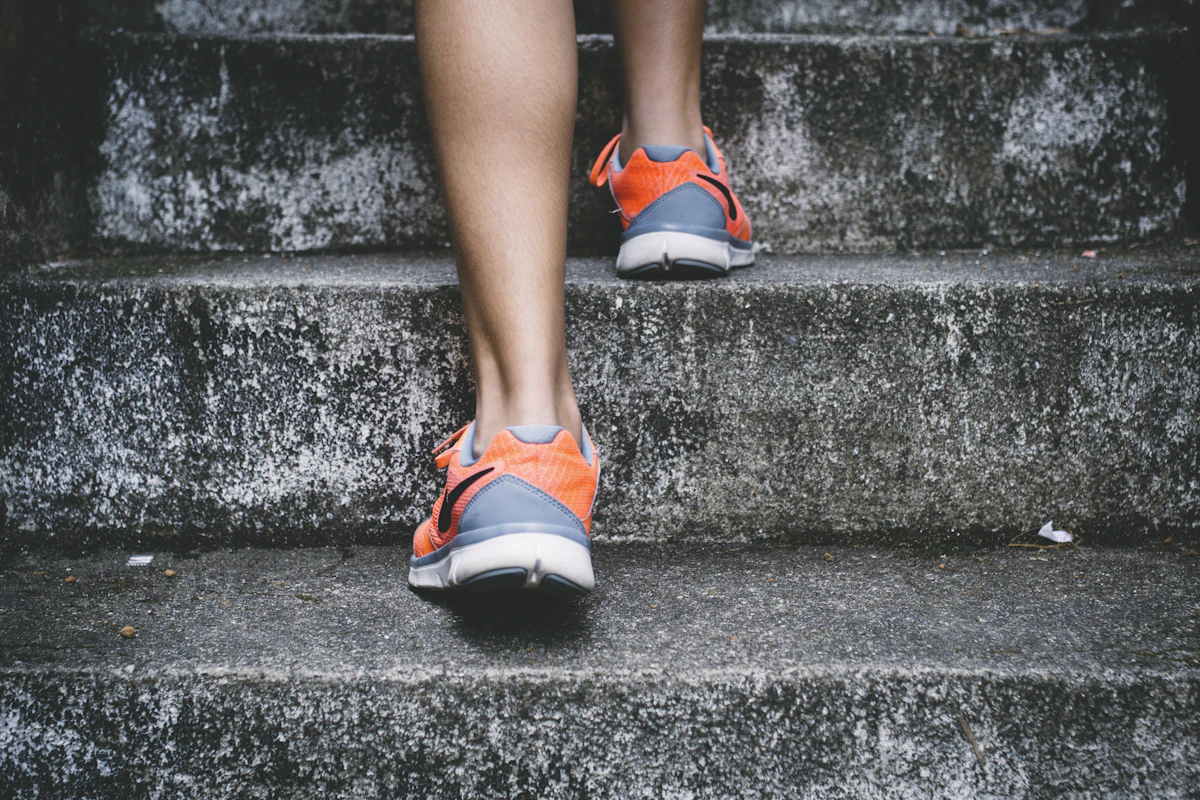
Walking for weight loss is one of the simplest, cheapest and safest ways to start. It needs no gym, no special skills and almost no equipment, and it is gentle enough for most beginners, including people who are carrying extra weight or returning to activity after a long break. Walking will not melt fat on its own, but combined with sensible eating, it builds a calorie deficit, improves heart health, lifts mood and creates a habit you can keep for life.
This guide gives you a practical plan. You will learn how many calories walking burns, how many steps to aim for, how to walk faster and smarter, how to progress over six weeks, how to add intervals and hills, what to wear, how to stay safe and how to keep going when motivation drops. You will also find a sample week, two real-life examples and answers to common questions. Everything here is general education, not personal medical advice.
Does Walking Really Help With Weight Loss?
Yes, but with realistic expectations. Walking burns calories, and burning more than you take in leads to weight loss over time. Walking also has benefits that go beyond the scale: it lowers the risk of heart disease and type 2 diabetes, improves blood pressure and blood sugar control, supports mood and sleep and helps maintain muscle and bone.
Why walking is a smart place to start
- Low impact. Walking is gentler on joints than running, which matters if you are carrying extra weight or are new to exercise.
- Easy to repeat. You can walk almost every day without needing as much recovery as intense workouts.
- Does not spike hunger much. Moderate walking is less likely than very hard exercise to leave you ravenous.
- Free and flexible. You can walk outdoors, in a mall, on a treadmill or around the house.
- Good for the mind. A daily walk is a proven way to reduce stress and clear your head.
The honest limits
Walking alone rarely produces dramatic weight loss, because the calories burned are modest compared with how easily extra food adds up. The best results come from combining regular walking with improved eating habits, as explained in our guide to healthy weight loss for beginners.
How Many Calories Does Walking Burn?
The number depends mainly on your body weight, your speed and the terrain. A heavier person burns more calories covering the same distance. As a rough guide, a 70-kilogram (154-pound) person walking briskly at about 5.5 kilometers per hour (3.5 miles per hour) burns around 120 to 150 calories in 30 minutes.
| Body weight | Easy pace (4 km/h) 30 min | Brisk pace (5.5 km/h) 30 min | Fast pace (6.5 km/h) 30 min |
|---|---|---|---|
| 60 kg (132 lb) | About 80 kcal | About 105 kcal | About 135 kcal |
| 75 kg (165 lb) | About 100 kcal | About 135 kcal | About 170 kcal |
| 90 kg (198 lb) | About 120 kcal | About 160 kcal | About 205 kcal |
These are estimates and individual results vary. Treat fitness trackers with caution, since they often overestimate calories burned. Rather than chasing exact numbers, focus on a routine you can repeat. A daily 30-minute brisk walk can add up to roughly 800 to 1,000 calories per week, which is meaningful over months. For the bigger picture of how that fits into a deficit, read our calorie deficit guide.
Steps, Minutes and Distance: What to Aim For
You will often hear that 10,000 steps a day is the goal. The number began as a marketing slogan in Japan in the 1960s rather than a scientific threshold. Research since then suggests that health benefits begin at much lower numbers and rise gradually, with many studies finding that benefits level off around 7,000 to 10,000 steps a day for most adults.
Find your starting point
Use your phone or a simple pedometer for a few normal days and note the average. If you currently average 3,000 steps, aim for 4,000 next week, not 10,000. Gradual increases of 500 to 1,000 steps are easier to keep than dramatic jumps.
Minutes matter too
Public health guidelines recommend at least 150 minutes of moderate activity per week for adults. Brisk walking counts. That could be 30 minutes on five days, or three 10-minute walks each day. Many people trying to lose weight benefit from building up to 250 to 300 minutes per week over time, but start with what you can sustain.
A rough conversion
About 2,000 steps equal roughly 1.5 kilometers (1 mile) for most adults, and brisk walking for 10 minutes covers about 1,000 to 1,200 steps. Use these as a guide, since stride length varies.
How to Walk for Better Results
You do not need a special technique, but a few adjustments make your walks more effective and comfortable.
Walk briskly
Aim for a pace where your breathing is faster but you can still talk in short sentences, though you could not sing. This "talk test" corresponds roughly to moderate intensity. If you can chat easily, speed up slightly. If you are gasping, slow down.
Good posture
Keep your head up and your gaze about 5 to 6 meters ahead. Relax your shoulders and let your arms swing naturally, with elbows bent around 90 degrees if you want extra pace. Keep your core lightly engaged and take natural, slightly quicker steps rather than overstriding, which can strain shins and knees.
Heel-to-toe movement
Land on the heel, roll through the foot and push off with the toes. Shorter, faster steps usually feel better than long, reaching ones.
Warm up and cool down
Begin with two to five minutes at an easy pace, then speed up. Finish with a few minutes of slow walking and gentle calf and hamstring stretches.
A Six-Week Walking Plan
This plan starts gently and builds. If you already walk regularly, begin at the week that feels challenging but comfortable. If any week feels too hard, repeat it before moving on.
| Week | Walks per week | Minutes per walk | Pace | Goal |
|---|---|---|---|---|
| 1 | 4 | 15 | Easy to moderate | Build the habit |
| 2 | 5 | 20 | Moderate | Add five minutes |
| 3 | 5 | 25 | Moderate to brisk | Walk a bit faster |
| 4 | 5 | 30 | Brisk | Reach 150 minutes |
| 5 | 5 to 6 | 30 to 35 | Brisk with 2 intervals | Add variety |
| 6 | 6 | 35 to 40 | Brisk with intervals or hills | Build stamina |
Tips for sticking with the plan
- Schedule walks like appointments, ideally at the same time each day.
- Walk with a friend, a dog, a podcast or music to make it enjoyable.
- Mark each walk on a calendar. Seeing a streak builds momentum.
- If you miss a day, simply continue the next day. One miss means nothing.
Intervals, Hills and Variety
Once your basic routine feels comfortable, small changes can make walks more effective without adding much time.
Interval walking
Alternate three minutes of fast walking with three minutes of easy walking, and repeat five times for a 30-minute session. Studies of this method, sometimes called Japanese interval walking, have found improvements in fitness and blood pressure compared with steady walking at the same total time. Fast should feel challenging but not painful.
Hills and stairs
Walking uphill increases heart rate and uses larger leg muscles, burning more calories. Add a hill, a ramp, stairs or a treadmill incline of 3 to 5 percent. If you have knee problems, take downhill sections slowly, as descents can be harder on joints.
Carry a light load, carefully
Some people use a small backpack or hand weights, but they can strain shoulders, elbows and knees. Master pace and distance first. Strength training two or three times a week will give you better results for building muscle, and our guide to strength training for beginners explains how to start.
Mix it up
Try different routes, parks, trails or time of day. Variety keeps walks interesting and uses your muscles differently. When you want a different kind of workout, see our guide to the best cardio workouts.
What to Wear and Bring
Shoes
Comfortable, supportive shoes are the most important item. Choose a pair with cushioning, a flexible sole and enough room for your toes. Replace them when the tread wears down, usually after 500 to 800 kilometers (300 to 500 miles). If you have foot pain, a specialist shop or podiatrist can help you choose.
Clothing
Wear breathable layers that you can remove. Moisture-wicking socks reduce blisters. In sunny weather, wear a hat, sunglasses and sunscreen. In low light, wear bright or reflective clothing.
Extras
Carry water on longer walks, a phone and ID, and a small snack if you will be out for more than an hour. Our hydration guide explains how much to drink.
Fitting Walking Into a Busy Day
You do not need one long block of time. Walking for weight loss works best when it is repeatable, and short walks count and often feel easier to schedule.
- Morning walk. Fit ten minutes before work. It fits neatly into a healthy morning routine.
- Walking meetings. Take phone calls on the move.
- Lunch break loop. A 15-minute walk after eating helps digestion and reduces the afternoon slump.
- After dinner. A ten-minute stroll can help blood sugar and ease stress.
- Errands on foot. Walk to shops, school or the station when possible.
- Park farther away or get off public transport a stop early.
Pairing Walking With Food Habits
Walking for weight loss is powerful, but it is easy to undo with extra food, especially if a walk leaves you feeling you deserve a treat. A 30-minute walk burns roughly as many calories as a small muffin contains.
Practical tips
- Do not use walking as permission to eat anything. Treat it as support for good eating habits.
- Have a filling snack ready if you are hungry afterward, such as yoghurt and fruit. See our healthy snack ideas.
- Build meals around vegetables, protein and whole grains.
- Notice whether you eat more on days you walk. If so, adjust portions gently.
Two Real-Life Examples
Fatima: 48, desk job, 82 kg
Fatima averaged about 3,000 steps a day. She began with a 15-minute walk after dinner and added five minutes each week, reaching 35 minutes after six weeks. She also swapped her afternoon soft drink for sparkling water. After four months she was averaging 8,000 steps, had lost about 6 kilograms, and noticed better sleep and less back stiffness. She says the evening walk became her favorite part of the day.
Carlos: 55, high blood pressure, 98 kg
Carlos spoke with his doctor, who encouraged him to start walking. He began with 10 minutes twice a day, then built to 30 minutes. After three months, he lost about 5 kilograms and his blood pressure readings improved, so his doctor reviewed his medication. He walks with a neighbor, which keeps him accountable.
Both examples show how gradual increases, combined with small food changes, lead to lasting results.
Common Mistakes
- Starting too fast or too far. Sore shins, blisters and fatigue can end a new habit. Build slowly.
- Strolling without effort. Gentle walks are fine for recovery, but include brisk sessions too.
- Relying on tracker calories. Devices often overestimate. Use trends, not exact numbers.
- Rewarding yourself with big treats. A candy bar can cancel a whole walk.
- Wearing worn or unsuitable shoes. Poor footwear causes pain and blisters.
- Ignoring pain. Sharp or lasting pain is a signal to stop and rest.
- Waiting for perfect weather. Have a backup plan, such as a mall, a treadmill or walking around the house.
- Giving up when the scale stalls. Weight naturally plateaus at times. Our guide on breaking through a weight loss plateau offers solutions.
Safety and When to See a Doctor
Walking is safe for most people, but check with your doctor first if you have heart disease, high blood pressure, diabetes, joint problems, osteoporosis, balance problems, breathing conditions or are pregnant or recovering from injury. Stop and seek help if you feel chest pain or pressure, severe breathlessness, dizziness, fainting, or sudden pain in a joint or leg.
- Walk in well-lit, safe areas and tell someone your route when walking alone.
- Stay alert near traffic and avoid wearing headphones at high volume.
- In heat, walk early or late, wear light clothing and drink water. In cold, dress in layers and watch for ice.
- People with diabetes should check their blood sugar as advised and carry fast-acting carbohydrate.
Please note: This article is general education, not personal medical advice. Calorie and step numbers are estimates. Speak with a doctor before starting a new exercise program if you have a health condition or have been inactive for a long time.
Frequently Asked Questions
How long should I walk to lose weight?
For walking for weight loss, aim to build up to 30 to 60 minutes most days. Even 10 to 15 minutes a few times a day helps. Consistency matters more than any single long walk.
Is walking 10,000 steps a day necessary?
No. Benefits appear at much lower numbers, and many studies show gains up to around 7,000 to 10,000 steps. Set a goal that is slightly above your current level.
Is it better to walk fast or far?
Both help. Walking faster burns more calories per minute and improves fitness, while walking longer adds total calories. A mix of brisk walks and longer, easier walks suits most people.
Can walking reduce belly fat?
Walking contributes to overall fat loss, which may include the waist, but you cannot choose where fat comes from. Regular activity, good sleep, stress management and healthy eating all help reduce abdominal fat.
Should I walk before or after meals?
Either is fine. A short walk after meals can help digestion and steady blood sugar, while a morning walk may help build a routine. Choose the time you will repeat.
What if I walk every day and still do not lose weight?
Check your overall eating, sleep and stress, and give it several weeks. Muscle changes and water retention can hide fat loss. If you are concerned, speak with a doctor or dietitian.