Home › Healthy Lifestyle & Preventive Care
Healthy Lifestyle & Preventive CareProtein Guide: How Much Protein Do You Need?
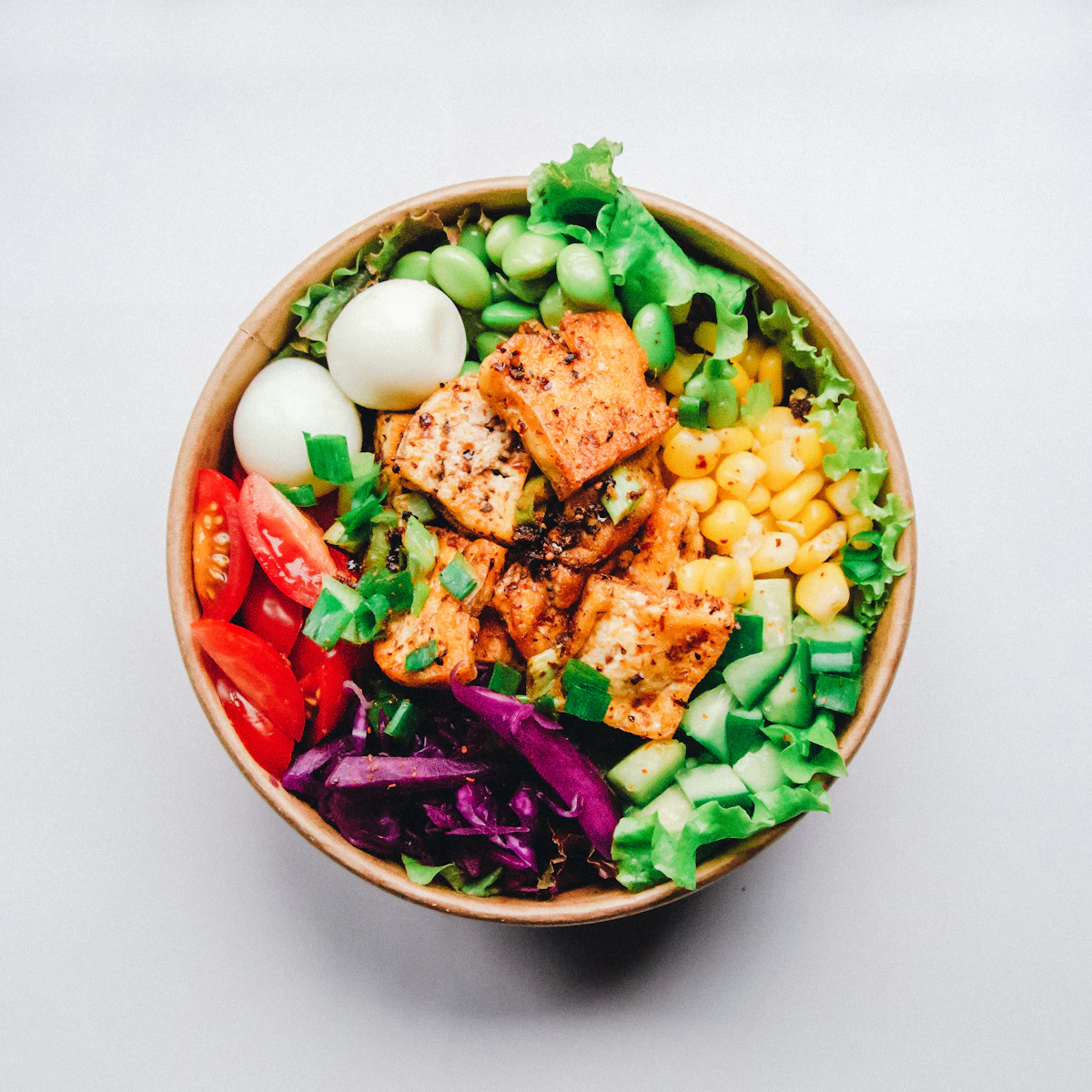
How much protein do you need? It is one of the most searched nutrition questions, and the honest answer is that it depends on your body size, age, activity level and health. The official minimum for most healthy adults is about 0.8 grams of protein per kilogram of body weight per day, but many active people and older adults do better with more. Understanding the range helps you eat enough without chasing extreme numbers.
This guide explains what protein does, how to estimate your own target, which foods supply it, how to spread it across the day, and how to get enough on a plant-based diet. You will also find a table of common foods with approximate protein amounts, two worked examples, advice on protein powders and the situations where you should talk to a doctor first.
What Protein Does in Your Body
Protein is made from building blocks called amino acids. Your body uses them to build and repair muscle, skin, hair and organs, to make enzymes and hormones, and to support the immune system. Unlike carbohydrate and fat, your body has no large storage tank for protein, so you need a steady supply from food.
Protein and fullness
Protein tends to keep you satisfied for longer than the same number of calories from refined carbohydrate. A breakfast with eggs or yogurt often means fewer mid-morning cravings than a pastry alone. This is one reason protein features in many healthy eating plans, including our balanced plate guide.
Protein and aging
After about age 40, people gradually lose muscle unless they stay active and eat enough protein. Many experts suggest older adults aim above the minimum, often around 1.0 to 1.2 grams per kilogram, combined with regular strength exercise. A doctor can advise if you have kidney or other health conditions.
How Much Protein You Need Each Day
Start with your body weight. To convert pounds to kilograms, divide by 2.2. Then multiply by the number that fits your lifestyle. The ranges below are commonly cited in nutrition guidance, and they are estimates, not prescriptions.
| Who | Typical range (g per kg per day) | Example at 70 kg |
|---|---|---|
| Healthy adults, little exercise | 0.8 | About 56 g |
| Older adults (65+) | 1.0 to 1.2 | About 70 to 84 g |
| Regular recreational exercisers | 1.0 to 1.4 | About 70 to 98 g |
| Strength training or heavy endurance | 1.2 to 2.0 | About 84 to 140 g |
A simple calculation
Imagine you weigh 154 pounds, which is 70 kilograms, and you walk daily and lift weights twice a week. A reasonable range might be 1.2 to 1.6 grams per kilogram, which is roughly 84 to 112 grams of protein per day. You do not need to hit an exact number. Landing inside the range most days is enough.
Pregnancy, illness and special cases
Pregnancy, breastfeeding, recovery from surgery or serious illness, and some medical conditions change protein needs. In these cases, personalized advice from your doctor or a registered dietitian is much more useful than any general table.
Tracking without obsessing
Once you know how much protein you need, you do not have to log every bite. For a week or two, note roughly what you eat at each meal and add up the main protein foods using the table below. Most people discover a pattern, such as a low-protein breakfast, and fix it with one or two changes. After that, rely on portion habits, like a palm of protein per meal, instead of counting grams. If tracking makes you anxious or controlling about food, stop and speak with a professional.
Protein Quality: Complete and Incomplete Sources
There are nine essential amino acids your body cannot make. A complete protein contains all nine in useful amounts. Eggs, dairy, fish, poultry and meat are complete. Soy, quinoa and buckwheat are plant foods that are also complete.
Most other plant foods, such as beans, lentils, rice and nuts, are lower in one or more essential amino acids. That does not make them poor choices. You only need to eat a variety over the day. Rice and beans, hummus with whole-grain bread, or lentil soup followed by a handful of nuts supply a full range together. You do not need to combine them in the same meal.
Digestibility matters too
Animal proteins and soy are digested very efficiently, while some plant proteins are slightly less digestible. If you eat entirely plant-based, consider aiming toward the upper end of your range to compensate.
Common Protein Foods and Amounts
The values below are approximate and vary by brand and preparation, but they give a practical sense of how quickly protein adds up.
| Food | Portion | Protein (approx.) |
|---|---|---|
| Chicken breast, cooked | 100 g (palm size) | 31 g |
| Canned tuna | 100 g | 25 g |
| Salmon, cooked | 100 g | 22 to 25 g |
| Greek yogurt, plain | 170 g pot | 15 to 17 g |
| Cottage cheese | 1/2 cup | 12 to 14 g |
| Lentils, cooked | 1 cup | 18 g |
| Chickpeas, cooked | 1 cup | 14 g |
| Firm tofu | 100 g | 8 to 12 g |
| Eggs | 1 large | 6 g |
| Milk | 1 cup | 8 g |
| Peanut butter | 2 tablespoons | 7 to 8 g |
| Almonds | 28 g (small handful) | 6 g |
For a person aiming for around 90 grams a day, a typical pattern might be eggs and yogurt at breakfast (about 25 g), a lentil and chicken salad at lunch (about 30 g), a snack of nuts and milk (about 14 g) and fish with vegetables at dinner (about 25 g).
Budget-friendly protein
Protein does not have to be expensive. Eggs, canned beans, dried lentils, canned tuna or sardines, frozen fish, plain yogurt, cottage cheese, tofu and peanut butter all cost less per gram of protein than many fresh cuts of meat or packaged protein snacks. Buying dried legumes in bulk and cooking a large pot at the start of the week is one of the cheapest ways to hit your target.
Spreading Protein Through the Day
Many people eat very little protein at breakfast, a modest amount at lunch and a large portion at dinner. Research on muscle maintenance suggests spreading intake more evenly, with roughly 20 to 40 grams per meal for most adults, may support muscle better than loading it all at night.
Easy ways to move protein earlier
- Swap sugary cereal for eggs, plain yogurt with nuts, or oats cooked in milk with seeds.
- Add beans or lentils to lunchtime soups and salads.
- Keep protein snacks ready, such as boiled eggs, cottage cheese, edamame or a small tin of fish.
- Include a palm-sized protein portion in every main meal, as covered in our healthy eating guide for beginners.
Whatever your diet, the same principle applies. Work out a realistic range, check where your meals fall, and make small, sustainable changes. If you keep asking yourself how much protein do you need on days with unusual activity, such as a long hike or an illness, use the upper end of your range for hard days and the lower end for rest days.
Getting Enough on a Plant-Based Diet
A well-planned vegetarian or vegan diet can supply enough protein for most people. The key is to include protein-rich plants in every meal rather than assuming vegetables alone will do the job.
Reliable plant sources
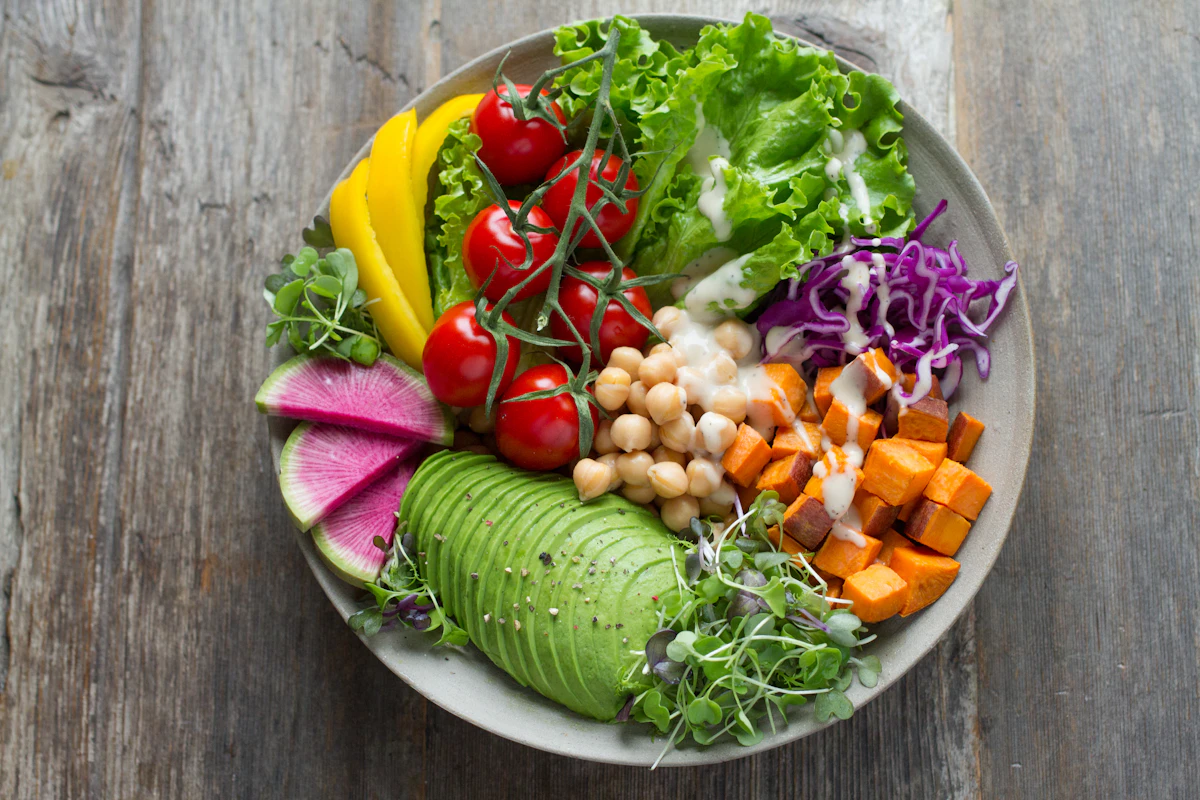
- Legumes: lentils, chickpeas, black beans, kidney beans, peas.
- Soy foods: tofu, tempeh, edamame and unsweetened soy milk.
- Grains and seeds: quinoa, oats, pumpkin seeds, hemp seeds, chia seeds.
- Nuts and nut butters: useful but calorie dense, so keep portions small.
- Seitan: made from wheat gluten and very high in protein, though not suitable for people with coeliac disease or gluten sensitivity.
Vegans should also discuss vitamin B12, iron, zinc, iodine and omega-3 intake with a healthcare professional, because these nutrients are harder to obtain without animal foods.
Protein for Weight Loss and Muscle Gain
When you are losing weight
During a modest calorie reduction, a higher protein intake helps you keep muscle while you lose fat, and it makes meals more filling. Staying near the upper half of your range, combined with strength training, is a sensible approach. Extreme calorie cuts are not recommended, and they can cost muscle even when protein is high.
When you are building muscle
Muscle growth needs three things: a training stimulus, enough total energy and enough protein. Beyond roughly 1.6 to 2.0 grams per kilogram, studies show diminishing returns for most people, so more is not always better. If you are starting out, our guide to strength training for beginners explains how to give your muscles a reason to grow.
Protein Powders and Supplements
Protein powders are a convenience, not a necessity. Whey, casein, soy, pea and blended powders can be helpful if you struggle to reach your target through food, such as after training or when traveling. They are not magic, and a meal made of real food usually provides additional fiber, vitamins and minerals.
If you choose a powder
- Look for products with independent third-party testing on the label.
- Check added sugar and the ingredient list; shorter is often better.
- Avoid products that promise rapid fat loss or dramatic muscle gain.
- Do not use powder to replace most of your meals.
- Check with a doctor if you have kidney disease or take regular medication.
Two Worked Examples
Hannah: 58 kg, office worker who walks and does yoga
Hannah's target is around 0.9 to 1.1 grams per kilogram, so about 52 to 64 grams of protein. Breakfast of two eggs and toast gives about 15 grams. A lentil soup at lunch adds 15 grams, a yogurt snack adds about 10 grams and a fish dinner provides about 20 grams. She reaches roughly 60 grams without any supplements.
Omar: 82 kg, gym three times per week
Omar aims for 1.4 to 1.8 grams per kilogram, which is about 115 to 148 grams. He eats a Greek yogurt bowl with nuts at breakfast (about 25 grams), a chicken and rice lunch (about 35 grams), a milk and banana snack after training (about 12 grams) and a salmon and bean dinner (about 40 grams). That totals about 112 grams, and a small extra snack brings him into range.
Both examples show how ordinary meals reach realistic targets. Neither person needed special products.
Protein Myths Worth Dropping
Protein attracts more myths than almost any other nutrient. Here are the most common ones, with what the evidence generally suggests.
- "You must eat protein within 30 minutes of training." Total daily intake and consistent training matter far more than a narrow window.
- "Plant protein is useless for muscle." Studies show that people can build muscle on plant-based diets when total protein and training are adequate.
- "High protein damages healthy kidneys." In healthy people, higher protein intakes have not been shown to harm the kidneys, though people with kidney disease need personal advice.
- "Everyone needs a shake." Most people can reach their target from ordinary meals and snacks.
- "The more protein, the faster the results." Beyond your needs, extra protein offers little added benefit and replaces other useful foods.
Knowing how much protein you need and calmly meeting it with real food is a more reliable strategy than following the latest trend.
Common Mistakes
- Eating most protein at dinner. Spread it across meals for steadier fullness and muscle support.
- Ignoring total diet quality. Protein does not cancel out a diet low in vegetables, fiber and whole grains.
- Assuming more is always better. Beyond your needs, extra protein is simply used for energy or stored as fat.
- Relying on processed protein bars. Many are high in sugar and saturated fat. Read the label.
- Forgetting hydration. Higher protein intakes go better with plenty of water. See our hydration guide.
- Skipping strength training. Protein supports muscle, but exercise is what tells the muscle to adapt.
Safety and When to See a Doctor
For healthy adults, eating within the ranges above is generally considered safe. People with chronic kidney disease, liver disease, certain metabolic conditions or a history of kidney stones may need to limit protein or choose specific types, so they should follow personal medical advice. Anyone who is pregnant, breastfeeding, under 18 or over 65 with a health condition should also seek tailored guidance.
Please note: This article is general education, not personal medical or nutrition advice. Speak with a doctor or registered dietitian before making significant changes to your diet, taking supplements or following a high-protein plan, particularly if you have a health condition or take medication.
Frequently Asked Questions
How much protein do you need to build muscle?
Most research supports roughly 1.2 to 2.0 grams per kilogram of body weight per day combined with progressive strength training. Many people see good results in the middle of that range.
Is it possible to eat too much protein?
Healthy adults can usually handle higher intakes, but very high amounts offer little added benefit and may crowd out other nutrients. People with kidney conditions should follow medical guidance.
Can I get enough protein without meat?
Yes. Eggs, dairy, legumes, soy foods, whole grains, nuts and seeds can meet protein needs when eaten consistently and in variety.
Do I need protein right after a workout?
Eating protein within a few hours of training is helpful, but there is no strict "anabolic window" of 30 minutes. Your total daily intake matters more than perfect timing.
Is protein good for weight loss?
Protein can help by increasing fullness and protecting muscle during a calorie deficit. It works best alongside balanced meals, strength training and enough sleep.
What are signs I may not be eating enough protein?
Persistent fatigue, slow recovery from exercise, frequent hunger, brittle nails or noticeable muscle loss can have many causes. If you are worried, speak with a healthcare professional rather than assuming protein is the problem.