Home › Healthy Lifestyle & Preventive Care
Healthy Lifestyle & Preventive CareStretching Routine for Better Flexibility
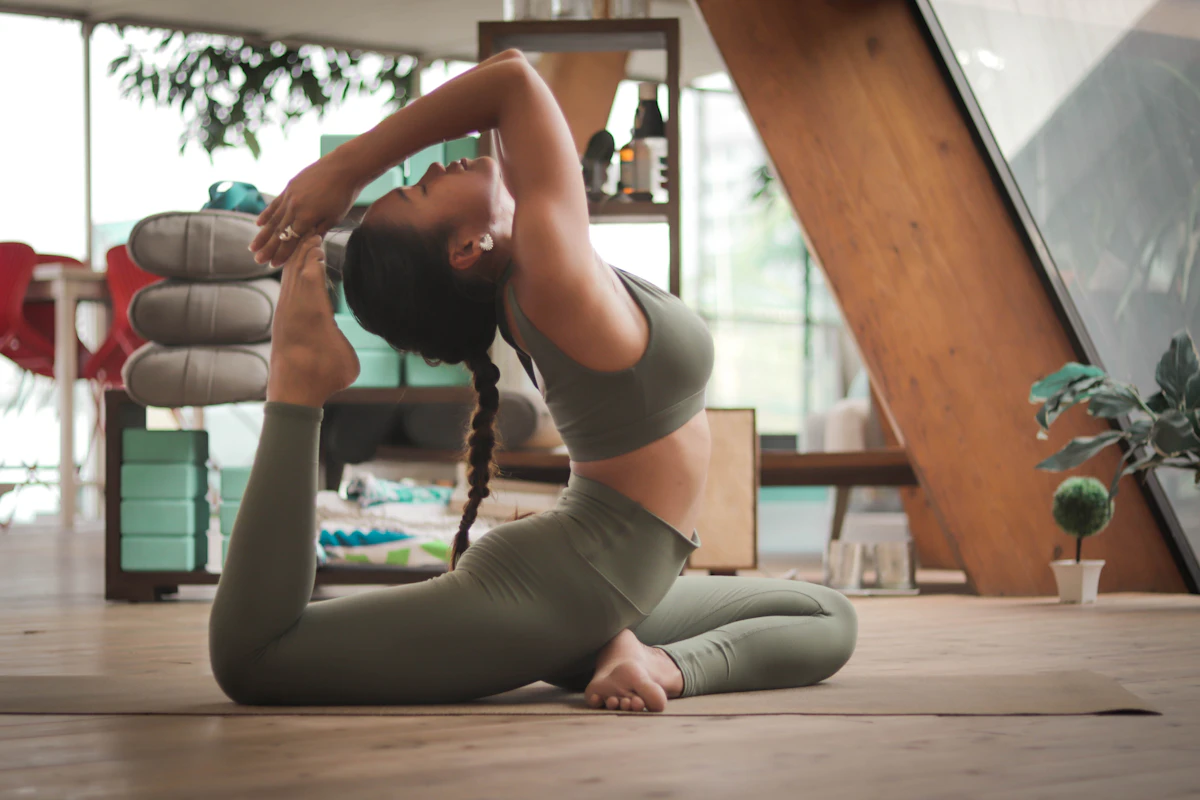
Many of us only notice how tight we are when something goes wrong: a stiff neck after a long day at the desk, tight hips on a morning walk, or a hamstring that complains when you bend to tie your shoes. A regular stretching routine can ease that stiffness, improve how freely you move and make everyday life more comfortable. It does not take long. Ten minutes a day, done consistently, makes a bigger difference than a long session once in a while.
This guide explains how stretching works, what the different types are, when to use each and how to build a safe stretching routine for better flexibility. You will find step-by-step stretches for the whole body, a warm-up, a cool-down, a desk break sequence, a four-week plan and safety notes. Everything here is general education, not personal medical advice.
Why Stretching Matters
Flexibility is the ability of your muscles and joints to move through a comfortable range of motion. It is one of the pillars of fitness, alongside strength, endurance and balance. As we age, or spend long hours sitting, flexibility tends to decrease, which can make simple movements feel harder.
Benefits of regular stretching
- Greater range of motion. Regular stretching improves how far joints can move, which helps with daily tasks and sport.
- Less stiffness. It can ease the tightness that builds up after sitting or hard exercise.
- Better posture. Stretching tight chest and hip muscles can help your body sit and stand in better alignment. See our guide to desk health and posture.
- Relaxation. Slow stretching paired with deep breathing calms the nervous system and can reduce stress.
- Comfort and movement quality. Looser muscles can make exercises such as squats and overhead lifts more comfortable.
- Healthy aging. Maintaining flexibility supports independence and balance as the years pass.
What stretching does not do
Research suggests stretching alone does not reliably prevent injuries or eliminate post-workout soreness. It works best as part of a balanced program that also includes warm-ups, strength training and rest. Stretching is also not a cure for pain. If you have ongoing pain, see a professional.
Types of Stretching
Static stretching
You move into a stretch and hold it, usually for 20 to 60 seconds. This is the classic type and is best for improving flexibility after exercise or at the end of the day.
Dynamic stretching
You move smoothly through a range of motion without holding, such as leg swings, arm circles or walking lunges. It warms up muscles and joints and is ideal before activity.
Active and passive stretching
Active stretching uses your own muscle strength to hold a position. Passive stretching uses an outside force, such as a strap, a wall or your hands. Both can be useful.
PNF stretching
Proprioceptive neuromuscular facilitation involves contracting a muscle gently and then relaxing it into a deeper stretch, often with a partner. It can improve flexibility quickly but is more advanced. Learn it with a qualified instructor.
Ballistic stretching
Bouncing movements to force muscles beyond their normal range. This is not recommended for beginners because of injury risk.
Which should you choose?
Use dynamic stretching to warm up and static stretching to cool down and build flexibility. For a gentle blend of stretching, strength and breathing, try our yoga for beginners guide.
Ground Rules for Safe Stretching
- Warm up first. Cold muscles stretch less safely. A five-minute walk or light movement is enough.
- Stretch to mild tension, not pain. A comfortable pull is right. Sharp, burning or pinching pain is not.
- Hold steadily. Hold for 20 to 30 seconds, building to 45 or 60 as you improve. Do not bounce.
- Breathe slowly. Exhale as you ease deeper. Never hold your breath.
- Repeat two to four times per stretch for tight areas.
- Keep joints soft. Avoid locking elbows and knees.
- Be consistent. Aim for most days of the week. Flexibility gains appear over weeks, not days.
- Stretch both sides. Spend extra time on the tighter side.
A Short Warm-Up
Spend three to five minutes on gentle movement before static stretching.
- March or walk briskly in place for two minutes.
- Do ten arm circles forward and ten backward.
- Do ten gentle hip circles each way.
- Do ten leg swings forward and back for each leg, holding a wall for balance.
- Roll your shoulders and tilt your head gently side to side.
If you plan to exercise afterward, follow with the dynamic warm-up from our beginner full-body workout.
Lower-Body Stretches
Standing calf stretch
Face a wall and place your hands on it. Step one foot back, keep the heel down and the leg straight, and bend the front knee until you feel a stretch in the calf. Hold for 30 seconds, then switch.
Seated hamstring stretch
Sit on the floor with one leg extended and the other foot resting against your inner thigh. Hinge forward from the hips with a long spine, reaching toward your shin. Use a towel or strap around the foot if needed. Hold for 30 seconds each side. Avoid rounding your back aggressively.
Standing quad stretch
Stand tall, holding a wall for balance. Bend one knee and bring the heel toward your glute, holding your ankle. Keep knees close together and your hips tucked slightly. Hold for 30 seconds, then switch.
Kneeling hip flexor stretch
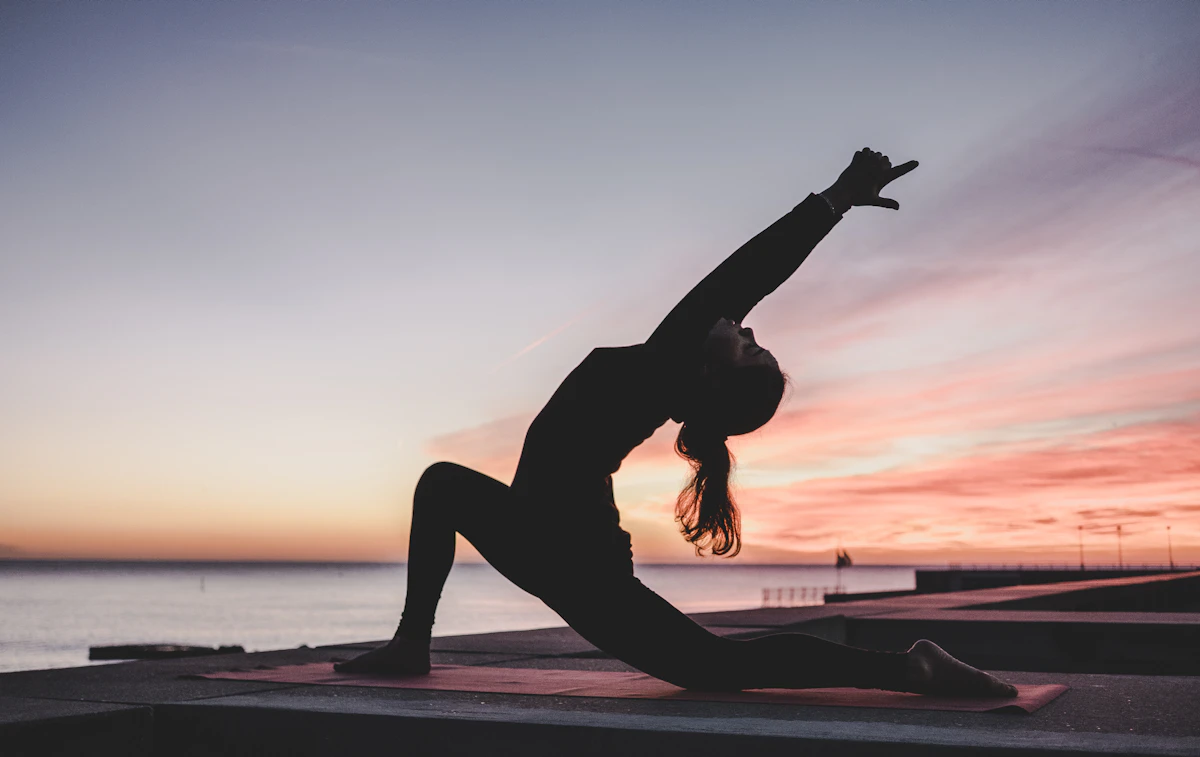
Kneel on one knee, cushioned by a mat, with the other foot forward. Tuck your pelvis slightly and shift your weight forward until you feel a stretch at the front of the back hip. This stretch is especially helpful for people who sit a lot. Hold for 30 seconds each side.
Figure-four glute stretch
Lie on your back with knees bent. Cross your right ankle over your left knee. Draw the left thigh toward your chest by holding behind the thigh until you feel a stretch in the right hip and glute. Hold for 30 seconds, then switch.
Butterfly stretch
Sit with the soles of your feet together and knees falling out to the sides. Hold your feet and sit tall, or hinge forward gently. Hold for 30 to 45 seconds to open the inner thighs and hips.
Upper-Body and Spine Stretches
Doorway chest stretch
Stand in a doorway with your forearm on the frame at shoulder height and elbow bent. Step forward gently until you feel a stretch across the chest and front of the shoulder. Hold for 30 seconds each side. This counters hunching over screens.
Cross-body shoulder stretch
Bring one arm across your chest and hold it with the opposite hand just above the elbow. Gently draw it closer. Hold for 20 to 30 seconds each side.
Triceps stretch
Raise one arm, bend the elbow and let your hand fall behind your head. Use the other hand to gently press the elbow. Hold for 20 to 30 seconds each side.
Neck stretch
Sit tall. Gently tilt your ear toward your shoulder, letting the weight of your head do the work. Do not pull. Hold for 20 seconds each side. Avoid rolling the neck in full circles if it causes discomfort.
Cat-cow
On hands and knees, alternate arching and rounding the spine for eight to ten slow breaths. It is a gentle way to mobilize the back.
Child's pose
Sit your hips back toward your heels and stretch your arms forward on the floor. Breathe slowly for 30 to 60 seconds. This stretches the back, hips and shoulders and is deeply relaxing.
Supine spinal twist
Lie on your back, bring your knees to one side, and extend your arms out to the sides. Turn your head the opposite way if comfortable. Hold for 30 seconds each side. This eases tension in the lower back and hips.
A 12-Minute Full-Body Routine
Use this stretching routine daily or after workouts. Always warm up first.
| Stretch | Hold | Sides |
|---|---|---|
| Standing calf stretch | 30 seconds | Each |
| Seated hamstring stretch | 30 seconds | Each |
| Standing quad stretch | 30 seconds | Each |
| Kneeling hip flexor stretch | 30 seconds | Each |
| Figure-four glute stretch | 30 seconds | Each |
| Doorway chest stretch | 30 seconds | Each |
| Cross-body shoulder stretch | 20 seconds | Each |
| Supine spinal twist | 30 seconds | Each |
| Child's pose | 45 seconds | Once |
Finish with three slow breaths, lying on your back with eyes closed. This is a calming way to end the day and can support better sleep. See our better sleep habits guide.
A Desk-Break Stretching Sequence
If you sit for long periods, take a two-minute break every hour. You do not need to change clothes or find a mat.
- Stand and reach. Raise your arms overhead and lengthen your spine for five breaths.
- Chest opener. Clasp your hands behind your back and gently lift, opening the chest.
- Seated twist. Turn your upper body to each side while holding the chair back.
- Neck tilts. Tilt your ear toward each shoulder for 15 seconds.
- Wrist stretch. Extend one arm with palm up and gently draw the fingers back. Repeat with palm down.
- Standing hip flexor stretch. Step one foot back and tuck your pelvis for 20 seconds each side.
Breaking up sitting also helps circulation and energy. Our guide to healthy daily habits offers more ideas.
Stretching Before and After Exercise
Before exercise
Choose dynamic movements that mimic the activity you will do. Leg swings, walking lunges and arm circles prepare your joints and muscles. Long static stretches right before heavy lifting or sprinting may temporarily reduce power for some people, so save them for later.
After exercise
Static stretches of 20 to 30 seconds help your body wind down and may improve flexibility over time. They will not eliminate soreness, but they can feel good. For a full recovery plan, see our guide to muscle recovery after a workout and consider foam rolling as described in our foam rolling and mobility basics.
On rest days
A gentle stretching session is a good form of active recovery. Our guide to rest days and active recovery explains how.
A Four-Week Flexibility Plan
| Week | Frequency | Focus |
|---|---|---|
| 1 | 4 days, 8 minutes | Learn the stretches and breathe slowly |
| 2 | 5 days, 10 minutes | Hold each stretch for 30 seconds |
| 3 | 5 to 6 days, 12 minutes | Repeat tight areas twice and add desk breaks |
| 4 | 6 days, 12 to 15 minutes | Hold up to 45 seconds and check your progress |
How to measure progress
Test yourself once every two weeks with a simple check, such as how far you can reach in a seated forward bend, how close your knee gets to the wall in a calf stretch or whether you can reach your hands behind your back. Compare against your own starting point, not against others.
A real-life example
Daniyal, 52, is an accountant who sat for nine hours a day and woke with a tight lower back and hips. He began a ten-minute stretching routine each evening, added a two-minute stretch break every hour at work and walked after dinner. After a month, his back felt looser in the mornings, he could sit on the floor to play with his grandchildren and he said he felt noticeably less stiff in the car.
Common Mistakes
- Stretching cold. Warm up first.
- Bouncing. It can trigger a protective tightening and risks strains.
- Pushing into pain. More is not better. Stay at mild tension.
- Holding the breath. This increases tension.
- Stretching an injured muscle aggressively. Rest it and get advice instead.
- Ignoring strength. Very flexible but weak joints need stability. Include strength training. See our strength training basics.
- Expecting overnight change. Flexibility grows over weeks of regular practice.
- Only stretching the tight spot. Pain in one area can come from imbalances elsewhere.
Safety and When to See a Doctor
Gentle stretching is safe for most people. Take extra care or speak with a doctor or physical therapist if you have a recent injury, a muscle tear, a joint replacement, osteoporosis, a herniated disc, hypermobility, inflammatory arthritis or are pregnant.
- Stop if you feel sharp pain, numbness, tingling or a pulling sensation that does not ease when you back off.
- Do not stretch a muscle that is bruised, swollen or recently strained.
- People with hypermobile joints should avoid deep stretches and focus on strength and control.
- Seek medical advice for pain that lasts more than a few days, swelling, weakness, or pain at night.
Please note: This article is general education, not personal medical advice. Flexibility varies from person to person, and results depend on genetics, age and consistency. Consult a doctor or physical therapist before starting a new stretching program if you have an injury or medical condition.
Frequently Asked Questions
How long should I hold a stretch?
Hold static stretches for 20 to 30 seconds to start, building to 45 or 60 seconds. Repeat two to four times for tight areas.
How often should I do a stretching routine?
Most adults benefit from stretching at least two to three days a week, and daily is even better. Short sessions of 5 to 12 minutes work well.
Should I stretch before or after a workout?
Do dynamic stretches before exercise to warm up, and static stretches afterward to cool down and build flexibility.
Does stretching help with back pain?
Gentle stretching can ease stiffness and may help some types of back pain, but it is not right for every case. If pain is severe, persistent or comes with numbness or weakness, see a doctor. Our guide to yoga for a healthy back and better posture offers gentle options.
How long until I get more flexible?
Many people notice looser muscles within two to four weeks of regular stretching, with larger gains over two to three months. Progress depends on age, genetics and consistency.
Is it normal to feel sore after stretching?
Mild tightness the next day can happen if you stretched deeper than usual. Sharp or lasting pain is not normal. Ease off and rest, and see a professional if pain persists.