Home › Healthy Lifestyle & Preventive Care
Healthy Lifestyle & Preventive CareMindfulness Meditation for Beginners
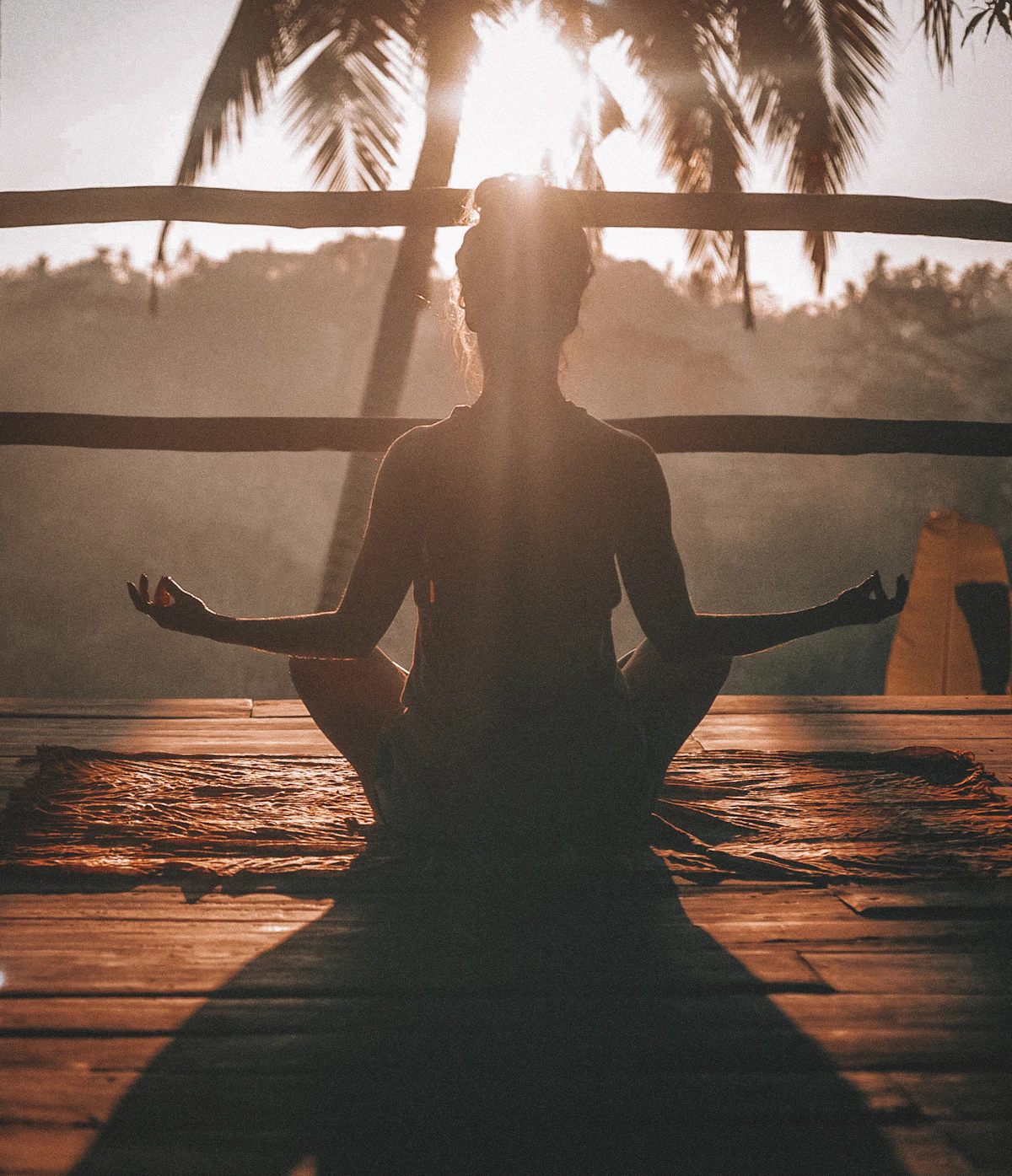
Your mind is busy. It replays yesterday, rehearses tomorrow and jumps between notifications, to-do lists and worries. Much of the time you are not fully where your body is. Mindfulness meditation is a simple training for bringing attention back to the present moment, on purpose and without judgment. It sounds easy, and it is, but it is not always comfortable at first. Like any skill, it grows with practice.
This guide explains mindfulness meditation for beginners in plain language. You will learn what it is and is not, what research says about its benefits, how to start with a five-minute practice, and how to handle the most common obstacles, such as a wandering mind, restlessness and sleepiness. You will find several short exercises, a four-week plan and answers to common questions. Everything here is general education, not personal medical or mental health advice.
What Mindfulness Meditation Is
Mindfulness means paying attention to what is happening right now, in your body, your thoughts, your feelings and your surroundings, with curiosity and without trying to change or judge it. Mindfulness meditation is the formal practice of training this skill, usually by sitting quietly and focusing attention on something simple, such as the breath.
What actually happens during practice
You choose an anchor, most often your breathing. You notice when your mind wanders, which it will, many times. Each time, you gently bring attention back. That moment of noticing and returning is the exercise itself. It is not a failure of the practice, it is the repetition that builds the skill, much like a bicep curl strengthens a muscle.
Where it comes from
Meditation has roots in several ancient traditions, especially Buddhism. In modern health care, secular programs such as Mindfulness-Based Stress Reduction, developed in the 1970s, brought the practice into hospitals and research. You do not need any religious belief to practice.
What the Research Suggests
Hundreds of studies have looked at mindfulness. Results are encouraging, though not magical, and the quality of evidence varies.
Potential benefits
- Lower stress. Many studies find that regular practice reduces perceived stress. Our guide on how to manage stress naturally shows where meditation fits among other habits.
- Reduced anxiety and low mood. Mindfulness programs have modest benefits for anxiety and depression symptoms, often similar to other established approaches.
- Better focus. Training attention can improve concentration and reduce mind wandering.
- Improved sleep. Mindfulness practice can help people fall asleep more easily and wake less often. See our better sleep habits guide.
- Emotional balance. Many people report responding to difficult feelings with more patience and less reactivity.
- Pain coping. Mindfulness may help people live better with chronic pain, although it does not remove it.
- Healthier eating patterns. Paying attention to hunger and fullness can reduce emotional or distracted eating.
An honest note
Mindfulness is a helpful tool, not a cure-all. Benefits tend to be moderate and build gradually. It works best alongside sleep, movement, good food and social support, and it is not a replacement for professional treatment when that is needed.
Common Myths
- "I have to empty my mind." No. Thoughts keep coming. You simply notice them and return to your anchor.
- "I am bad at it because my mind wanders." Wandering is normal. Noticing it is the success.
- "I need an hour a day." Five minutes a day is a great start. Consistency beats length.
- "It is about feeling calm all the time." Sometimes it is relaxing, sometimes it is restless. The aim is awareness, not a particular feeling.
- "It is only for spiritual people." Anyone can practice in a secular way.
- "I need special equipment." A chair is enough.
Getting Ready to Practice
Choose a time
Pick a time you can repeat daily. Many people prefer the morning before the day gets busy. Others use a short break at lunch or the evening before bed. Linking practice to an existing habit, such as after brushing your teeth, makes it stick. It pairs well with a healthy morning routine.
Choose a place
Find a quiet spot where you will not be disturbed for the time you set. Turn off notifications. It does not need to be silent, since sounds can become part of the practice.
Choose a posture
- Sit upright but relaxed. On a chair with feet flat on the floor, or on a cushion with legs crossed.
- Keep your back long. Imagine a string lifting the crown of your head, with shoulders loose.
- Rest your hands on your thighs or in your lap.
- Close your eyes or lower your gaze to a spot on the floor.
You can also practice lying down or walking if sitting is uncomfortable, though lying down makes sleepiness more likely.
Set a timer
Use a gentle alarm so you are not watching the clock. Start with five minutes.
Your First Five-Minute Practice
This breath-focused practice is the foundation of most mindfulness meditation for beginners.
- Settle. Sit comfortably and take three slow breaths, letting your shoulders drop on each exhale.
- Notice the breath. Let breathing return to normal. Feel it where it is easiest: the nostrils, the chest or the belly.
- Follow it. Pay attention to the whole inhale and the whole exhale. If it helps, count silently from one to ten on each exhale, then start again.
- Notice wandering. At some point you will be lost in a thought, a plan or a memory. This is normal.
- Return gently. Without scolding yourself, label the thought as "thinking," then bring attention back to the breath.
- Repeat. Continue to the end of the timer. Then open your eyes, stretch and notice how you feel.
What to expect
In the first days, you may notice how busy your mind is. That awareness is already progress. You may feel calm, bored, restless or sleepy. All of these are fine. There is nothing to achieve in a session.
Other Beginner Techniques
Once you are comfortable with the breath, try other approaches. Use whichever suits you best.
Body scan
Lie down or sit comfortably. Move your attention slowly from your toes up to the top of your head, noticing sensations such as warmth, pressure or tingling without trying to change them. A body scan of 10 to 20 minutes is excellent for releasing tension and works well before sleep.
Walking meditation
Walk slowly in a quiet space. Feel each foot lift, move and touch the ground. When the mind wanders, return to the feeling of your feet. This is helpful if sitting still is hard, and it works nicely on a break during a workday.
Sounds meditation
Sit and listen to the sounds around you, near and far, without naming or judging them. Notice how they arise and fade.
Mindful eating
Eat the first few bites of a meal slowly, noticing colors, smells, textures and flavors. This builds awareness of fullness and enjoyment. It pairs well with our healthy eating guide for beginners.
Breathing practices
Slow, structured breathing, such as breathing out longer than you breathe in, can settle the body quickly. Explore more in our guide to breathing exercises for calm and focus.
Loving-kindness
Silently repeat phrases such as "May I be safe, may I be healthy, may I be at ease," first toward yourself, then toward someone you care about, then toward others. This can ease self-criticism and strengthen kindness.
How to know it is working
Progress rarely feels dramatic. Instead, look for small shifts: you catch yourself worrying a little sooner, you pause before reacting, you fall asleep a bit faster or you notice a pleasant moment you would once have missed. Keep a short note after each session, such as one word describing how you felt. After a month, reading back often shows changes that were too gradual to notice day by day.
Guided or silent?
Guided recordings give you instructions and are ideal when you are starting out. Silent practice, using only a timer, builds independence. Many people begin with guidance for a few weeks and then alternate between the two. Neither is better, so choose what helps you keep showing up.
Common Challenges and How to Handle Them
"My mind will not stop"
This is the experience of nearly everyone. Treat thoughts like clouds or passing traffic. You do not have to follow them. Return to the breath as many times as needed. Counting breaths gives the mind something to hold.
Restlessness and itching
Notice the urge to move and the sensations behind it. Often, if you wait a few breaths, the urge fades. If it does not, adjust your position slowly and mindfully.
Sleepiness
Sit upright, keep your eyes slightly open, practice earlier in the day or take a few deep breaths before starting. If you are exhausted, it may simply be a sign you need more rest.
Boredom or doubt
Boredom is a feeling you can observe like any other. Remind yourself you are training attention, not waiting for a special state.
Difficult emotions
Sometimes sitting quietly brings up sadness, worry or memories. Notice where the feeling sits in the body and breathe with it. If feelings are overwhelming, open your eyes, feel your feet on the floor, look around the room, or stop and take a walk. You are always allowed to pause.
Being inconsistent
If you miss a day, simply start again. A shorter session is better than none. A two-minute practice still counts.
Mindfulness in Everyday Life
Formal sitting is only one part. Bringing awareness into daily activities spreads the benefits through the day.
- The first sip. Taste your morning drink fully before checking your phone.
- One-breath pause. Before replying to a message or entering a meeting, take one slow breath.
- Mindful walking. Walk to the car or bus noticing air, light and sounds.
- Single-tasking. Do one thing at a time for ten minutes without switching.
- Mindful listening. Give someone your full attention without planning your answer.
- Dishes and chores. Feel the water, the soap and the movement of your hands.
- Screen breaks. Look away from the screen every hour and take three slow breaths. Our digital detox guide has more ideas.
A Four-Week Plan
| Week | Daily practice | Focus |
|---|---|---|
| 1 | 5 minutes of breath focus | Build the habit at the same time each day |
| 2 | 7 to 8 minutes, breath counting | Notice wandering without judging |
| 3 | 10 minutes, add a body scan twice | Notice physical sensations |
| 4 | 10 to 12 minutes, add one everyday mindful moment | Bring awareness into daily life |
A real-life example
Sadia, 38, was skeptical because she could not "turn her brain off." She started with five minutes after breakfast, counting breaths. For the first week she lost count constantly. By week three, she noticed she was snapping less at her children and pausing before replying to emails. She now sits for ten minutes most mornings and says the biggest change is that she notices worry sooner, before it snowballs.
Making It a Habit
- Anchor it. Practice right after an existing habit, such as coffee or brushing your teeth.
- Start tiny. If five minutes feels hard, do two.
- Track it. Mark a calendar for each day you practice.
- Use guidance. Free timers and guided recordings can help you start, and a local class or group adds accountability.
- Be patient. Many people notice changes after two to eight weeks of regular practice.
- Pair it with movement. Gentle yoga, such as in our yoga for beginners guide, combines breath awareness and body awareness.
Safety and When to Seek Help
For most people, mindfulness meditation is safe. However, in a minority of people, especially those with a history of trauma, depression, anxiety or psychosis, sitting quietly with difficult thoughts can sometimes increase distress. If you notice panic, flashbacks, dissociation or worsening mood, stop, open your eyes, ground yourself with movement or conversation, and consider speaking with a mental health professional before continuing. Look for teachers who offer trauma-sensitive guidance.
Meditation is a support, not a substitute for treatment. If you have persistent low mood, intense anxiety, or thoughts of harming yourself, contact a doctor or mental health professional, or local emergency services or a crisis line in your area, right away.
Please note: This article is general education, not personal medical or mental health advice. Research findings describe groups of people, and results vary. Consult a qualified professional if you have a medical or mental health condition.
Frequently Asked Questions
How long should a beginner meditate?
Five minutes a day is plenty to begin. You can gradually build to 10 to 20 minutes. Regular short sessions are more helpful than occasional long ones.
What is the best time of day to practice?
The best time is the one you will keep. Many people prefer mornings, but a midday pause or evening wind-down works equally well.
Do I need an app or a teacher?
No, but guidance can help in the beginning. Free timers, recordings and local classes are good options. Choose approaches from reputable, qualified teachers.
Is it normal to fall asleep during meditation?
Yes, especially when tired. Try sitting upright, practicing earlier in the day or keeping your eyes slightly open.
What is the difference between meditation and mindfulness?
Mindfulness is a way of paying attention. Meditation is a formal practice used to train it. You can also be mindful during everyday activities without meditating.
When will I notice results?
Some people feel calmer after a single session, but longer-term benefits usually appear after several weeks of regular practice. Be patient and keep your expectations gentle.