Home › Healthy Lifestyle & Preventive Care
Healthy Lifestyle & Preventive CareYoga for a Healthy Back and Better Posture
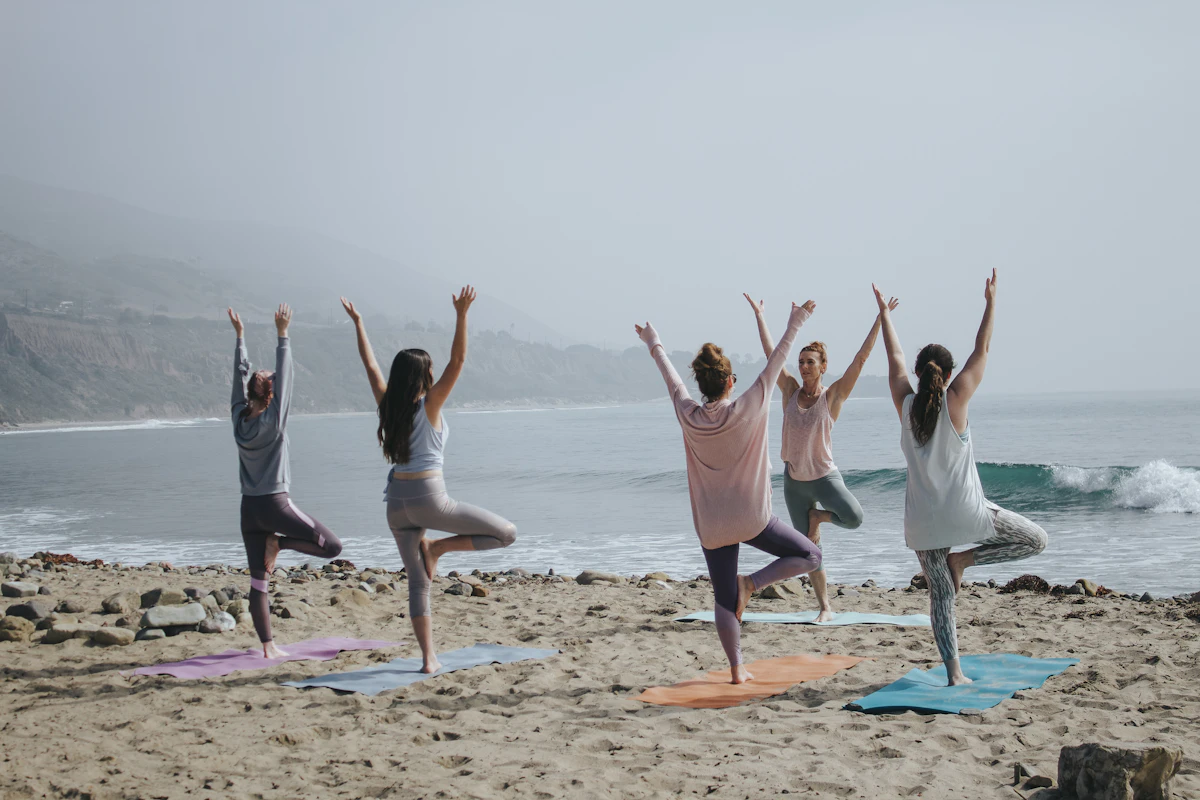
Most adults will deal with back discomfort at some point. Long hours at a desk, driving, carrying children or groceries, poor sleep, stress and simply getting older can all leave the back stiff, achy or fatigued. The good news is that most everyday back trouble improves with movement, not bed rest, and gentle yoga is one of the most popular and best-studied ways to move. Yoga for back health combines careful stretching, muscle strengthening and calm breathing, all of which support a spine that feels better and holds itself well.
This guide explains how the back works, why posture matters, what research says about yoga for back pain and which poses are generally safe and helpful. You will find step-by-step instructions for ten gentle poses, a 12-minute routine, a posture reset for the workday, a four-week plan and clear safety guidance, including which symptoms need a doctor first. Everything here is general education, not personal medical advice.
How Your Back Works
Your spine is a stack of 24 movable bones called vertebrae, cushioned by discs and supported by ligaments and muscles. It has three natural curves: a gentle inward curve at the neck, an outward curve in the upper back and an inward curve in the lower back. These curves absorb shock and let you bend, twist and stand tall.
The muscles that support it
- Deep core muscles wrap around your trunk like a natural brace.
- Back extensors run along the spine and help you stand upright.
- Glutes and hip muscles take load off the lower back during lifting and walking.
- Hamstrings and hip flexors affect the tilt of your pelvis, which influences lower back posture.
Why backs get sore
Most back pain is "non-specific," meaning no single structural cause is found. Common contributors include long periods of sitting, sudden increases in activity, weak core and hip muscles, stiff hips, stress and tension, poor sleep and low general activity. Fortunately, many of these are things yoga can address.
Posture: What Matters and What Does Not
You may have heard that you must sit up straight at all times. Research suggests the story is more relaxed. There is no single perfect posture, and your best posture is the next one. Staying in any position for too long, even a good one, causes stiffness.
What to aim for
- Variety. Change positions every 30 to 45 minutes.
- A neutral spine. Keep the natural curves without exaggerating or flattening them.
- Balanced muscles. A strong, flexible body holds itself well with less effort.
- Awareness. Notice slouching or tension and gently adjust.
Common posture patterns
- Forward head and rounded shoulders. Common with screen use. Tight chest muscles and weak upper back muscles contribute.
- Tight hip flexors and an arched lower back. Often from prolonged sitting.
- Flat back or tucked pelvis. Sometimes linked with tight hamstrings.
Yoga can help each pattern by lengthening tight areas and strengthening weak ones. For desk-specific advice, see our guide to desk health and posture.
What Research Says About Yoga and Back Pain
Studies and clinical guidelines, including those from several national health bodies, list yoga as a reasonable option for people with chronic low back pain. Trials often find that regular practice over 8 to 12 weeks reduces pain and improves function compared with doing nothing, with benefits similar to physical therapy or general exercise for some people.
Why it may help
- It strengthens core, back and hip muscles in a controlled way.
- It improves flexibility in hips, hamstrings and the spine.
- Slow breathing and relaxation lower muscle tension and perceived stress.
- It builds body awareness, which helps you move and rest more comfortably.
- It encourages regular, gentle movement, which is better for most back pain than rest.
Realistic expectations
Yoga is not a cure for every type of back problem, and results vary. Some people feel better within a few weeks, while others need longer. The best results often come from combining yoga with walking, strength training, good sleep and stress management. See our guide on how to manage stress naturally, since tension and back pain often travel together.
Principles for a Back-Friendly Practice
- Warm up first. Begin with gentle movements such as cat-cow, so the spine is ready.
- Move within a comfortable range. Mild stretch is fine. Sharp, shooting or worsening pain is not.
- Lead with a long spine. When folding, hinge from the hips and keep the back long, bending your knees as much as you need.
- Engage your core gently. Imagine drawing the lower belly in and up, without gripping.
- Use props. Blocks, straps, blankets and chairs make poses accessible and safer.
- Breathe slowly. Smooth breathing helps muscles let go. Never hold your breath.
- Be consistent. Short daily sessions beat occasional long ones.
- Skip anything that increases pain. Pain that spreads down a leg or into the arm is a signal to stop.
New to yoga? Start with our yoga for beginners guide to learn the basics.
Ten Gentle Poses
Hold each pose for three to six slow breaths unless stated. Move slowly and stop if you feel pain.
1. Constructive rest
Lie on your back with knees bent, feet flat and hip-width apart. Let your arms rest by your sides. Breathe into your belly for one to two minutes. This relaxes the back muscles and is a calm way to begin.
2. Pelvic tilts
From constructive rest, exhale and gently flatten your lower back toward the floor by tilting your pelvis. Inhale and release to a natural curve. Repeat ten times. It warms up the lower back and teaches core control.
3. Knees-to-chest
Hug both knees toward your chest and rock gently side to side. Hold for 20 to 30 seconds. This eases tension in the lower back and hips.
4. Cat-cow
On hands and knees, inhale to gently arch your spine and lift your chest, exhale to round it and tuck your chin. Move slowly with your breath for eight to ten rounds. Keep the movement small if your back is sensitive.
5. Child's pose
Sit your hips back toward your heels, widen your knees and rest your forehead on the mat or a cushion with arms extended. Hold for 30 to 60 seconds. Place a pillow under your hips or between your thighs and calves if needed.
6. Bird-dog
From hands and knees, extend your right arm forward and left leg back, keeping your hips level and your spine neutral. Hold for three breaths, then switch. Repeat three to five times each side. It builds stability in the core and back without loading the spine heavily.
7. Supine spinal twist
Lie on your back, draw your knees up and let them fall gently to one side while your arms rest out to the sides. Hold for 30 seconds, then switch. Keep the twist gentle, with your knees supported by a pillow if needed.
8. Bridge pose
Lie on your back with knees bent. Press through your feet, tilt your pelvis slightly and lift your hips, keeping your thighs parallel. Hold for three to five breaths and lower slowly. This strengthens glutes and the back of the legs, which support your lower back.
9. Sphinx pose
Lie on your stomach, propped on your forearms with elbows under your shoulders. Lift your chest gently while keeping your hips on the floor and your neck long. Hold for 20 to 30 seconds. It is a milder alternative to cobra. Skip it if it increases pain.
10. Seated forward fold with a chair
Sit on the edge of a chair with feet flat. Hinge forward from the hips, letting your arms hang or rest on your thighs. Let your head relax. Hold for five breaths and roll up slowly. This is a safe way to stretch the back and hamstrings without lying down.
A 12-Minute Routine
| Pose | Time or reps | Purpose |
|---|---|---|
| Constructive rest | 1 minute | Relax and settle the breath |
| Pelvic tilts | 10 reps | Warm up the lower back |
| Knees-to-chest | 30 seconds | Release lower back tension |
| Cat-cow | 10 breaths | Mobilize the spine |
| Bird-dog | 4 reps each side | Build core stability |
| Child's pose | 45 seconds | Rest and gentle stretch |
| Bridge pose | 2 rounds of 5 breaths | Strengthen glutes |
| Supine spinal twist | 30 seconds each side | Ease rotation |
| Final relaxation | 2 to 3 minutes | Calm the nervous system |
An evening session can also help prepare your body for sleep. See our better sleep habits guide.
Posture Resets for the Workday
Frequent small breaks are more effective than one long session. Try this two-minute reset every hour.
- Stand up and walk for 30 seconds.
- Shoulder rolls. Roll the shoulders back and down five times.
- Chest opener. Clasp your hands behind your back and gently lift for five breaths.
- Standing back extension. Place hands on your hips and lean back slightly for a few breaths.
- Seated twist. Turn gently each way, holding the chair back.
- Chin tucks. Gently draw your head back, making a double chin, for five repetitions to counter forward head posture.
Set up your space
- Place the top of your monitor at or slightly below eye level.
- Keep elbows at about 90 degrees with forearms supported.
- Keep feet flat on the floor or a footrest, and use a small cushion at the lower back if it feels supportive.
- Consider a standing desk or alternate sitting and standing.
Build the Muscles That Support Your Spine
Flexibility alone is not enough. A back that moves well but lacks strength remains vulnerable. Combine yoga with simple strength work two or three times a week.
- Glute bridges and hip hinges train the hips to share load with the back.
- Planks and side planks build deep core endurance.
- Rows with bands or weights strengthen the upper back for better posture.
- Squats and lunges strengthen the legs for safe lifting.
Our bodyweight exercises you can do anywhere and strength training basics guides explain how to start safely.
Loosen tight tissue
Gentle self-massage can ease tight muscles around the hips and upper back. See our guide to foam rolling and mobility basics, and remember to avoid rolling directly on the lower back.
Lifestyle Habits That Help Your Back
- Keep moving. Walking is one of the best activities for back health. Our walking plan shows how to build up gradually.
- Lift smartly. Bend your knees, keep the load close and avoid twisting while carrying.
- Sleep well. Side sleeping with a pillow between the knees or back sleeping with a pillow under the knees can ease strain.
- Maintain a healthy weight. Extra weight around the middle increases load on the spine.
- Manage stress. Tension tightens the muscles of the neck, shoulders and back. Try our guide to breathing exercises for calm and focus.
A Four-Week Plan
| Week | Sessions | Focus |
|---|---|---|
| 1 | 4 sessions of 8 to 10 minutes | Learn constructive rest, pelvic tilts, cat-cow and child's pose |
| 2 | 4 to 5 sessions of 10 to 12 minutes | Add bird-dog, bridge and spinal twist |
| 3 | 5 sessions of 12 minutes plus daily workday resets | Build strength and add desk breaks |
| 4 | 5 to 6 sessions of 12 to 15 minutes | Add walking and review how your back feels |
A real-life example
Farah, 50, a bank clerk, had dull lower back aches by the end of every workday. After checking with her doctor, she began the 12-minute routine each evening, set a reminder to stand and stretch hourly and added a daily 20-minute walk. After six weeks, she reported fewer aches, found it easier to get out of her car and said she felt taller and calmer. She also began two short strength sessions a week to keep the gains.
Poses and Mistakes to Avoid
- Deep forward folds with straight legs. Bend your knees and hinge from the hips to protect the lower back, especially in the morning when discs are more hydrated and sensitive.
- Forceful twists. Twist gently from the upper back, not by yanking the lower back.
- Deep backbends such as full wheel pose. Skip these unless guided by an experienced teacher.
- Double leg lifts and full sit-ups. These can strain the lower back.
- Headstands and shoulder stands. These are not appropriate for beginners or people with neck or back problems.
- Pushing through pain. More is not better.
- Ignoring the rest of the body. Tight hips, weak glutes and a stiff upper back all affect the lower back.
- Resting too much. Prolonged bed rest usually slows recovery. Gentle movement is generally better.
Safety and When to See a Doctor
Gentle yoga is safe for many people with mild to moderate back discomfort, but see a doctor before starting if you have severe or worsening pain, a diagnosed disc problem, spinal stenosis, spondylolisthesis, osteoporosis, a recent fracture or surgery, or are pregnant.
Seek urgent medical care if back pain comes with any of the following: numbness in the groin or inner thighs, loss of bladder or bowel control, new weakness in the legs, severe pain after a fall or injury, fever, unexplained weight loss, a history of cancer, or pain that is worse at night and does not ease with position changes. These can be signs of a serious condition.
- Stop any pose that causes sharp, shooting or radiating pain, numbness or tingling.
- See a doctor if pain lasts more than a few weeks, or keeps returning.
- Work with a physical therapist or an experienced yoga teacher for personalized modifications.
Please note: This article is general education, not personal medical advice. Back pain has many causes, and a poses list cannot diagnose or treat any condition. Consult a doctor or physical therapist before starting a new exercise routine if you have persistent or severe pain.
Frequently Asked Questions
Is yoga good for lower back pain?
Research suggests gentle yoga can reduce chronic low back pain and improve function for many people, especially when practiced regularly for several weeks. It should be gentle, pain-free and adapted to your needs.
How often should I do yoga for back health?
Aim for short sessions of 10 to 15 minutes most days, or at least three to four times a week. Regular, gentle practice works better than occasional long sessions.
Can yoga improve posture?
Yes. Yoga can stretch tight chest and hip muscles and strengthen weak core and upper back muscles, which supports better alignment. Combine it with movement breaks during the day.
Should I do yoga when my back is hurting?
With mild stiffness or soreness, gentle movement often helps. With severe, sharp or worsening pain, rest briefly, avoid aggravating poses and see a healthcare professional.
Which yoga style is best for the back?
Gentle hatha, restorative and Iyengar classes are often good options because they emphasize slow movement, alignment and props. Avoid fast, intense or very deep styles at first.
How long until I notice a difference?
Some people feel looser after a single session. Meaningful changes in pain and posture usually appear after four to twelve weeks of consistent practice.