Home › Healthy Lifestyle & Preventive Care
Healthy Lifestyle & Preventive CareBetter Sleep: Habits for Deeper Rest
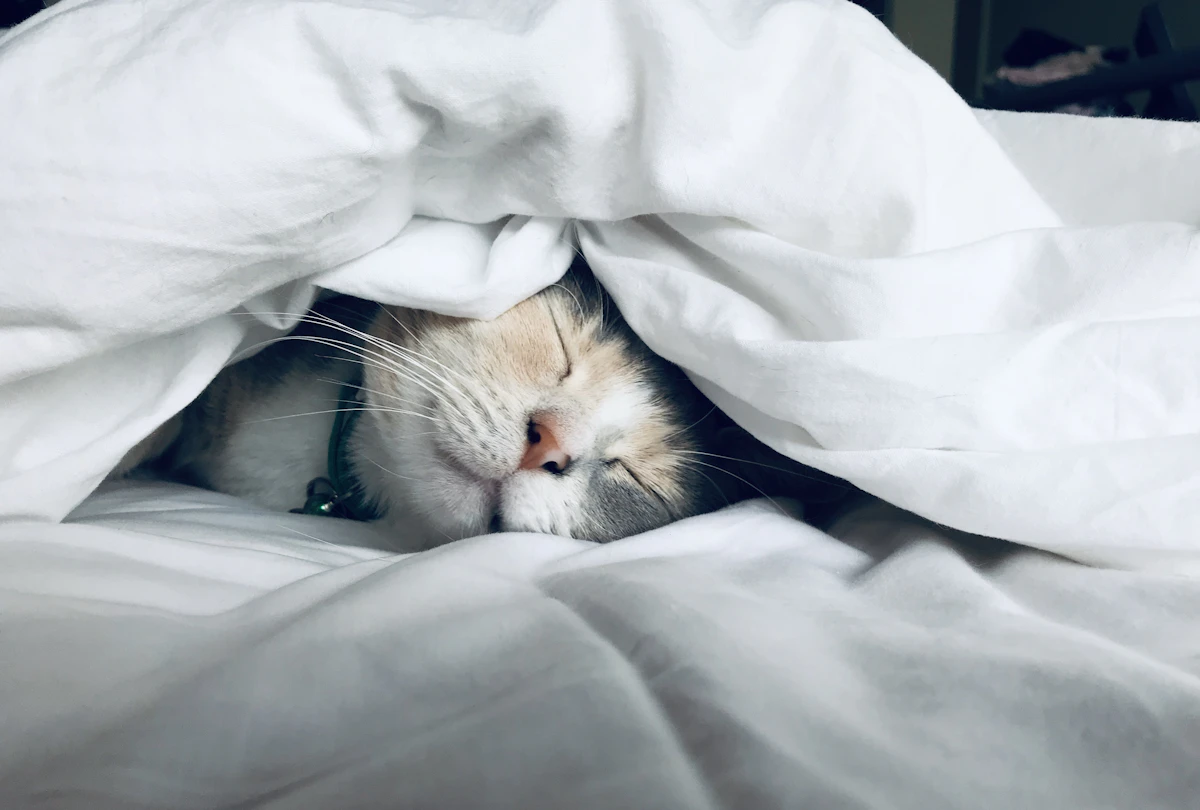
Few things affect how you feel as much as a good night's sleep. After a restful night, you think more clearly, handle stress better, crave fewer sugary snacks and have more energy to move. After a poor night, everything feels harder. If you often lie awake, wake up tired or rely on caffeine to function, you are far from alone. Surveys suggest that roughly one in three adults regularly falls short of the recommended amount of sleep.
The encouraging news is that sleep responds well to simple habits. This guide explains how to sleep better using practical steps you can start tonight. You will learn how much sleep you need, how the body clock works, how to set up your bedroom, what to eat and drink, how light and screens affect you, and what to do when you cannot fall asleep. There is also a wind-down routine, a two-week plan and answers to common questions. Everything here is general education, not personal medical advice.
Why Sleep Matters
Sleep is not wasted time. While you rest, your brain consolidates memories, clears waste products and regulates mood, while your body repairs muscle, balances hormones and supports the immune system.
What good sleep does for you
- Mood and stress. Poor sleep makes irritability and worry stronger. Good sleep makes it easier to cope.
- Appetite and weight. Short sleep raises hunger hormones and cravings for high-calorie food. Our guide to how to lose belly fat safely explains why sleep is part of the picture.
- Exercise and recovery. Muscle repair happens largely during deep sleep.
- Heart and metabolic health. Long-term short sleep is linked with higher blood pressure and a greater risk of type 2 diabetes.
- Focus and safety. Tired people react more slowly and make more mistakes, including while driving.
The sleep cycle in brief
Each night you move through cycles of about 90 minutes, each containing lighter sleep, deep sleep and REM sleep, the stage in which most vivid dreaming occurs. Deep sleep dominates the first half of the night, while REM sleep increases toward morning. Cutting sleep short, especially in the morning, reduces REM sleep, which is one reason short nights affect mood.
How Much Sleep Do You Need?
Needs vary, but most health organizations recommend the following for adults.
| Age group | Recommended sleep per night |
|---|---|
| Teenagers (14 to 17) | 8 to 10 hours |
| Adults (18 to 64) | 7 to 9 hours |
| Older adults (65 and over) | 7 to 8 hours |
Are you getting enough?
Signs of enough sleep include waking without an alarm most days, feeling alert through the morning and not needing caffeine to get going. Signs of too little include needing several alarms, dozing off during quiet moments, mood swings and heavy daytime fatigue. If you sleep much longer on weekends, you probably carry a sleep debt during the week.
Your Body Clock and a Steady Schedule
Your body runs on a roughly 24-hour internal clock called the circadian rhythm. It tells you when to feel alert and when to feel sleepy, and it responds mostly to light and routine. A steady schedule is the single most powerful change for most people who want to know how to sleep better.
Keep consistent times
Go to bed and wake up at about the same time every day, including weekends, within roughly one hour. Irregular schedules, sometimes called social jet lag, make it harder to fall asleep and wake up.
Get morning light
Bright light soon after waking tells the body clock that the day has begun, which helps you feel sleepy at the right time that night. Aim for 10 to 30 minutes outdoors in the morning, even on cloudy days.
Be careful with naps
A short nap of 10 to 20 minutes before mid-afternoon can restore alertness. Long or late naps can make it harder to fall asleep at night. If you struggle with night sleep, try skipping naps for a while.
Set Up Your Bedroom for Sleep
Your bedroom should signal one thing: rest.
Temperature
Most people sleep best in a cool room, around 16 to 19 degrees Celsius (60 to 67 degrees Fahrenheit). A warm room can cause restlessness. Use light bedding layers you can adjust.
Darkness
Even small amounts of light can disturb sleep. Use blackout curtains or an eye mask, cover glowing electronics and avoid bright lights if you wake at night.
Quiet
Reduce noise where possible. If you cannot, use earplugs, a fan or a steady white noise sound to cover sudden sounds.
Comfort
A supportive mattress and pillow matter, especially if you wake with aches. Replace a mattress that sags or is more than eight to ten years old if it no longer supports you. If back or neck pain disturbs your sleep, our guide to yoga for a healthy back and posture may help.
Reserve the bed for sleep
Avoid working, eating or scrolling in bed. The brain learns associations, and a bed linked with sleep makes falling asleep easier.
Light, Screens and the Evening
Bright light in the evening, especially blue-rich light from phones, tablets and computers, can delay the release of melatonin, the hormone that signals sleep. The content on screens, such as news and social media, also keeps the mind active.
Practical steps
- Dim the lights in your home an hour or two before bed.
- Stop screens 30 to 60 minutes before sleep, or use night mode and keep brightness low.
- Charge your phone outside the bedroom or across the room.
- Choose a book, music or a podcast instead of social media.
- Avoid checking work messages late in the evening.
If constant notifications are an issue, our digital detox guide offers a gentle approach.
Food, Caffeine and Alcohol
Caffeine
Caffeine stays in the body for many hours. Its half-life is about five to six hours, so an afternoon coffee can still affect you at bedtime. Try stopping caffeine eight hours before bed, including tea, cola, energy drinks and chocolate.
Alcohol
Alcohol may help you fall asleep, but it fragments sleep later in the night, reduces REM sleep and can worsen snoring and breathing problems. Avoid it close to bedtime.
Meals and snacks
Heavy, spicy or very large meals late at night can cause discomfort. Aim to finish dinner two to three hours before bed. If you are hungry, choose a small snack, such as yoghurt, a banana, or whole-grain toast. Going to bed very hungry can also disturb sleep. A balanced day of eating, like the one described in our balanced plate guide, supports steadier energy and better rest.
Fluids
Drink enough during the day, but taper off in the last hour or two to reduce trips to the bathroom. Our hydration guide helps you plan.
Nicotine
Nicotine is a stimulant that makes it harder to fall asleep and stay asleep. If you smoke, avoid it close to bedtime and consider seeking help to quit.
Exercise and Daytime Habits
Regular physical activity improves sleep quality, helps you fall asleep faster and increases deep sleep. Even a daily 20- to 30-minute walk makes a noticeable difference for many people. Our walking plan is a gentle place to begin.
Timing
Morning and afternoon exercise is usually ideal. For some people, intense exercise within an hour or two of bedtime makes them feel wired. Gentle stretching or yoga in the evening is generally fine. Try our stretching routine for flexibility as a calming end to the day.
Manage worries during the day
Racing thoughts are among the most common reasons people cannot sleep. Set aside ten minutes in the early evening to write down worries and one next step for each. This "worry time" makes it easier to let go at night. For more tools, see how to manage stress naturally.
A Wind-Down Routine
A consistent 30- to 60-minute routine tells your body that sleep is coming. Pick a few of these and repeat them nightly.
- Set the scene. Dim lights, turn off screens and lower the room temperature.
- Tidy and prepare. Lay out clothes and write tomorrow's top three tasks so your mind can rest.
- Warm up and cool down. A warm shower or bath one to two hours before bed can help, because the drop in body temperature afterward promotes sleepiness.
- Gentle movement. Light stretching or a few yoga poses release tension.
- Calm the mind. Practice slow breathing or a short body scan. See our guides to breathing exercises and mindfulness meditation.
- Read or listen. Choose something calm, not stimulating.
A simple breathing exercise for bed
Lie comfortably and breathe in through the nose for four counts, then breathe out slowly through the mouth for six to eight counts. Repeat for five minutes. Longer exhales activate the body's relaxation response.
What to Do When You Cannot Sleep
Everyone has bad nights. How you react decides whether one bad night becomes a habit.
If you cannot fall asleep after about 20 minutes
Get up and go to another room. Do something quiet in dim light, such as reading a paper book or listening to soft music. Return to bed when you feel sleepy. This helps the brain keep the bed linked to sleep, not frustration.
If you wake in the night
Avoid checking the clock, which raises anxiety. Use slow breathing or a body scan. If worries appear, tell yourself you will deal with them in the morning, and jot them in a notebook beside the bed.
After a bad night
Keep your normal wake-up time, get outside for morning light, move gently and avoid long naps. Resist the urge to stay in bed all morning, which can disturb the next night.
Avoid sleep pressure on yourself
Trying hard to sleep usually backfires. Focus on resting calmly. Even quiet rest has benefits when sleep does not come.
A Two-Week Sleep Plan
Change a few things at a time. Keep the ones that help.
| Days | Focus | Action |
|---|---|---|
| 1 to 3 | Schedule | Fix a wake-up time and get 15 minutes of morning light |
| 4 to 6 | Evening | Dim lights and stop screens 45 minutes before bed |
| 7 to 9 | Caffeine and food | No caffeine after midday, finish dinner earlier |
| 10 to 12 | Wind-down | Add a 20-minute routine with stretching and breathing |
| 13 to 14 | Review | Note what helped most and keep it as a habit |
A real-life example
Rafay, 41, often scrolled in bed until midnight and drank coffee until late afternoon. He moved coffee to the morning, charged his phone in the kitchen, set a 10:30 p.m. bedtime and added five minutes of stretching. Within three weeks he was falling asleep in about 15 minutes instead of an hour and noticed he felt less irritable at work.
Common Sleep Mistakes
- Irregular schedules. Sleeping in by several hours on weekends confuses the body clock.
- Late caffeine. One afternoon coffee can cost you deep sleep.
- Using alcohol as a sleep aid. It lowers sleep quality.
- Scrolling in bed. Screens delay sleep and keep the brain active.
- Watching the clock. It raises anxiety and makes sleep harder.
- Hard exercise right before bed. It can leave you too alert.
- Relying on sleeping pills. They may help briefly but are not a long-term fix and should be used only under medical guidance.
When to See a Doctor
Occasional poor nights are normal. Speak with a doctor if trouble sleeping lasts three weeks or longer, if you feel exhausted despite spending enough time in bed, or if it affects your work, mood or safety.
Seek medical advice if you snore loudly, gasp or stop breathing during sleep, which can signal sleep apnea, or if you have restless or uncomfortable legs at night, act out dreams, or fall asleep suddenly during the day. Persistent low mood, anxiety, chronic pain and some medicines can also disturb sleep, and treating the cause often helps. Drowsy driving is dangerous, so do not drive if you feel very sleepy.
Please note: This article is general education, not personal medical advice. Sleep needs vary, and supplements or sleep medicines should only be used after speaking with a doctor or pharmacist. Consult a healthcare professional if sleep problems are persistent or severe.
Frequently Asked Questions
How can I fall asleep faster?
If you are asking how to sleep better tonight, keep a regular schedule, dim lights and stop screens before bed, keep the room cool and dark, and use slow breathing or a wind-down routine. If you are still awake after about 20 minutes, get up briefly and return when sleepy.
Is it bad to sleep less than six hours?
Regularly sleeping under six hours is linked with higher risks of weight gain, high blood pressure, mood problems and accidents. A few people do well on less, but most adults need seven to nine hours.
Does melatonin work?
Melatonin can help some people with jet lag or shifted sleep schedules, but it is not a general sleeping pill. Dose and quality vary between products. Speak with a doctor or pharmacist before using it, especially if you take other medicines.
Can I catch up on sleep at the weekend?
A little extra rest helps, but it does not fully repair the effects of a short week and can disrupt your schedule. Aim for steady sleep every night instead.
Why do I wake up at 3 a.m.?
Light sleep in the early hours makes waking easy. Stress, alcohol, caffeine, a warm room, noise, hunger or an overactive mind are common causes. Use calming breathing, avoid the clock and review habits if it happens often.
Are naps good or bad?
Short naps of 10 to 20 minutes before mid-afternoon are helpful for many people. Long or late naps can interfere with night sleep.