Home › Healthy Lifestyle & Preventive Care
Healthy Lifestyle & Preventive CareHow to Build a Balanced Plate
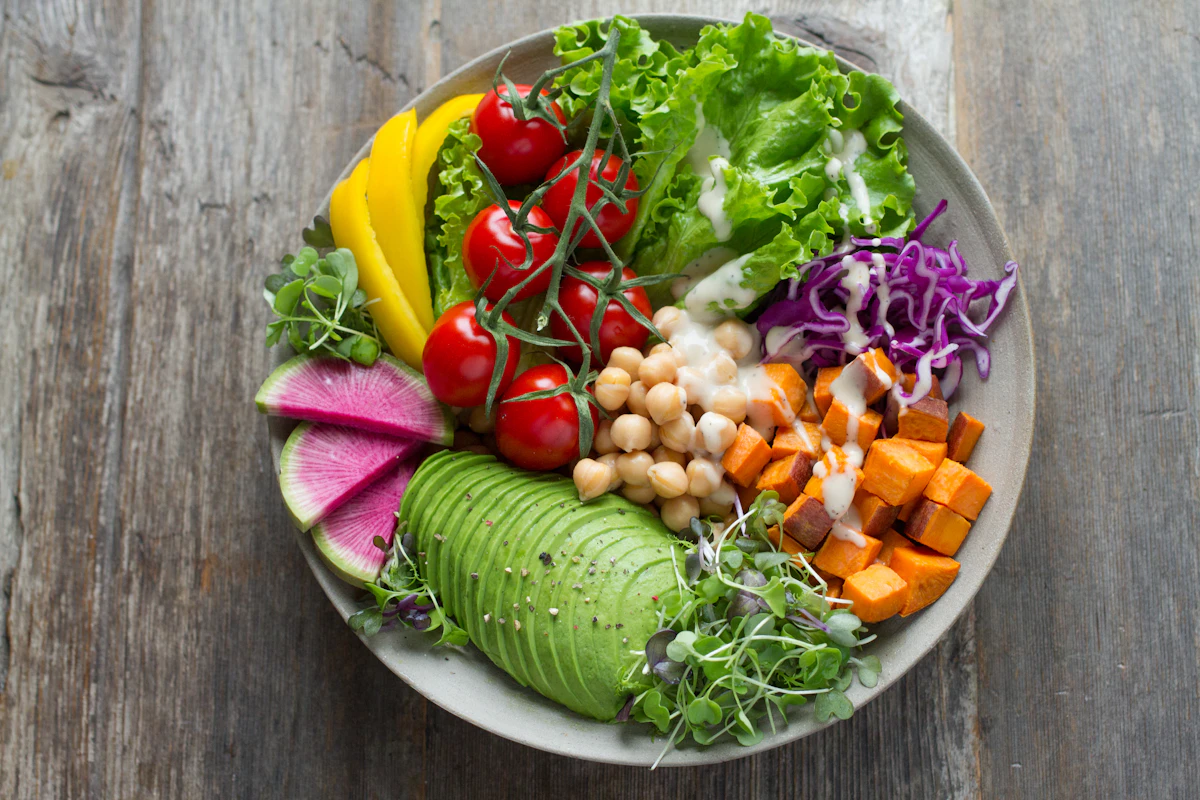
A balanced diet plan sounds complicated until you look down at your plate. The plate method turns nutrition science into a picture you can follow at any meal: fill about half the plate with vegetables or salad, about a quarter with protein, about a quarter with whole grains or other starchy foods, and add a small portion of healthy fat. There is nothing to weigh or calculate, and it works at home, in a restaurant or from a lunchbox.
This guide shows you exactly how to build that plate. You will learn what each section does, how to adjust portions for hunger, activity and personal goals, how to adapt the plate to vegetarian, budget and busy-day situations, and how to fix the most common plate problems. A seven-day template at the end helps you put the method into practice straight away.
The Plate Method in One Picture
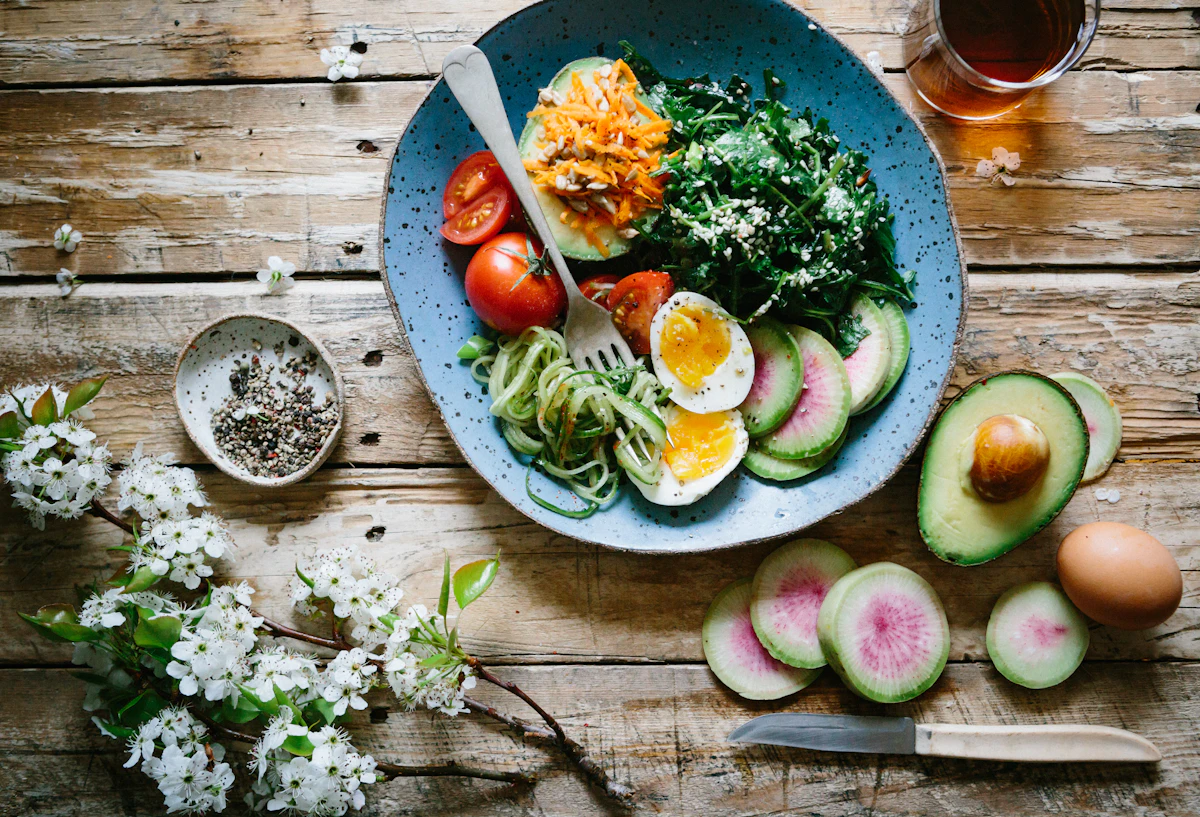
Picture a standard dinner plate, roughly 9 to 10 inches across. Draw an imaginary line down the middle. One half is for vegetables and fruit. Split the other half in two. One quarter holds protein, and the other holds whole grains or starchy foods. A thumb-sized amount of oil, nuts, seeds or avocado completes the meal, and a glass of water sits beside it.
Why it works
Most people eat the same portions out of habit, and those habits often favor refined carbohydrates and meat over plants. The plate method quietly shifts proportions without forbidding any food. Because vegetables take up the most space, you automatically eat more fiber, vitamins and volume for fewer calories, while protein and grains keep energy steady.
What a balanced diet plan needs beyond one plate
A single plate is a snapshot, but the pattern across a week matters most. Over several days, aim for variety: different colored vegetables, different protein sources, and a mix of grains. If lunch was light on vegetables, make dinner heavier on them. Think of the plate as a flexible guide rather than a rule you must hit perfectly at every meal. For the bigger picture of eating habits, see our healthy eating guide for beginners.
A hand-based portion guide
If you do not have a plate handy, use your hand as a measuring tool. A fist is a rough guide for one serving of cooked grains or fruit, a palm for protein, two open handfuls for vegetables and a thumb for oils, nut butters or cheese. Because hands scale with body size, this method adjusts naturally for different people and works well when eating out, at a buffet or at a friend's house.
Half the Plate: Vegetables and Fruit
Vegetables are the most important section. They provide fiber, potassium, vitamins, minerals and protective plant compounds, and they add bulk that helps you feel full.
Choose a range of colors
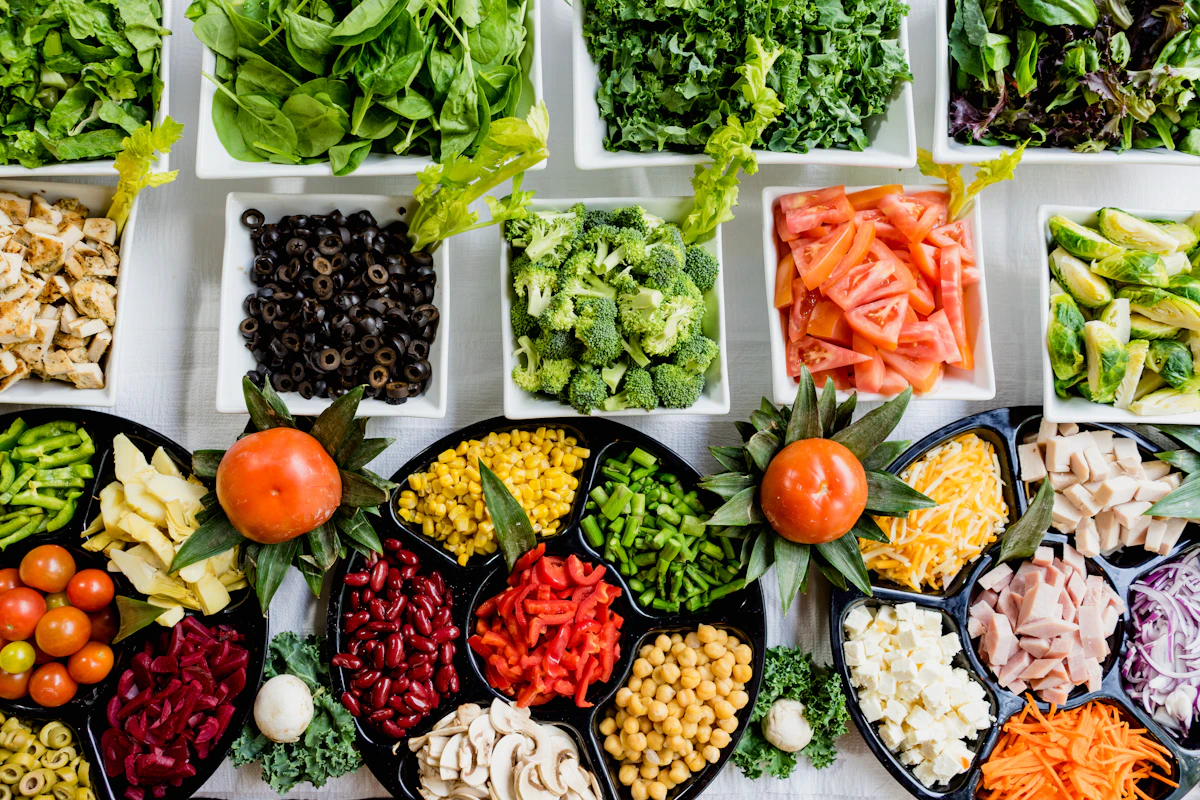
Different colors tend to carry different nutrients. Dark leafy greens offer folate and vitamin K, orange vegetables provide carotenoids, red tomatoes and peppers supply vitamin C, and purple vegetables carry anthocyanins. Rotating colors across the week is the simplest way to cover a wide range without thinking about individual vitamins. You can learn more in our guide to vitamins and minerals.
Fresh, frozen or canned
All forms count. Frozen vegetables are picked and frozen quickly, so they hold their nutrients well and reduce waste. Canned vegetables are fine too, though choose versions with no added salt, or drain and rinse them. The best vegetable is the one you will actually eat.
Where does fruit fit?
Fruit shares the vegetable half. Whole fruit with fiber is better than juice, which delivers sugar quickly with less fullness. A piece of fruit with a meal, or as a snack, is a good habit. If you enjoy fruit at breakfast, think of it as one portion of your daily plant total.
Making vegetables taste good
Roasting with a little olive oil caramelizes natural sugars. Steaming keeps color and crunch. Adding garlic, lemon juice, herbs, spices or a spoon of yogurt sauce turns plain vegetables into something you look forward to. Raw salad also benefits from a simple dressing of oil, vinegar and mustard.
A Quarter: Protein Foods
Protein supports muscle repair, immune function and feelings of fullness. A palm-sized portion of cooked protein is a practical starting point for most adults.
Animal and plant sources
- Fish and seafood: aim for oily fish such as salmon, sardines or mackerel once or twice a week for omega-3 fats.
- Poultry and eggs: versatile and affordable; remove visible skin if you want less saturated fat.
- Lean meat: enjoy red meat in moderate portions and favor less processed cuts over bacon, sausages and deli meats.
- Beans, lentils and chickpeas: cheap, high in fiber and suitable for any budget.
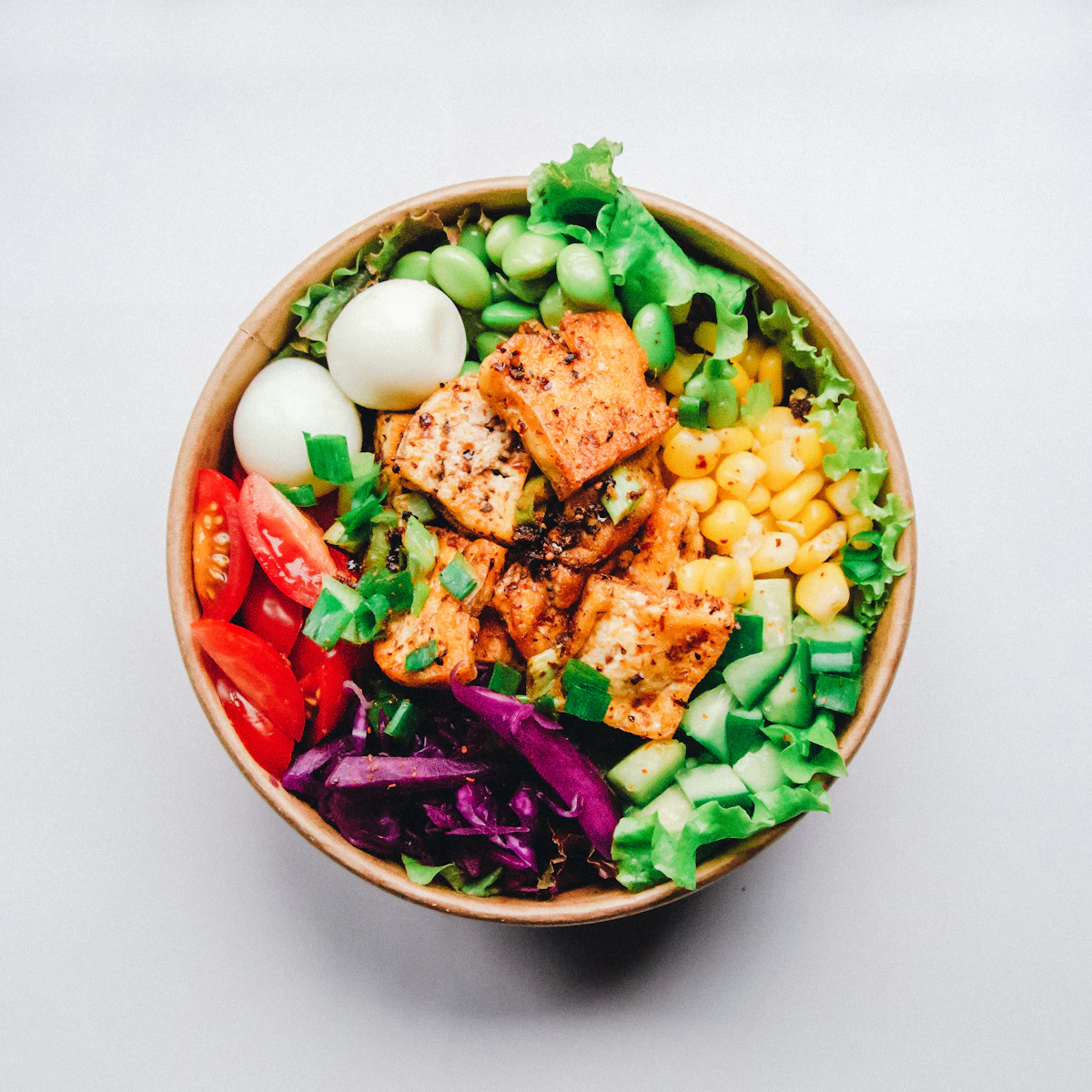
- Tofu, tempeh and edamame: good plant options that absorb flavor well.
- Dairy and alternatives: yogurt, cottage cheese and fortified soy products add protein with calcium.
How much is enough?
Individual needs vary with body size, age and activity. Spreading protein across the day, with a portion at each meal, usually works better than a very large dinner portion alone. For a detailed breakdown, read our guide on how much protein you need.
A Quarter: Whole Grains and Starches
Carbohydrates are your body's preferred fuel, especially for your brain and active muscles. The plate method does not remove them; it simply gives them a sensible share.
Prefer whole and minimally processed
Whole grains such as oats, brown rice, barley, whole-wheat pasta and bread, quinoa and bulgur keep their fiber, B vitamins and minerals. Starchy vegetables such as potatoes, sweet potatoes, corn and squash also belong in this quarter. Leave the skin on potatoes when you can.
Portion guide
A cupped handful of cooked grains or a fist-sized portion of potato fits the quarter for many adults. People who exercise heavily, such as endurance athletes, may need more. People with diabetes should speak with their healthcare team about carbohydrate amounts that suit them.
Healthy Fats, Flavor and Drinks
Fats
Fat adds flavor, helps absorb vitamins A, D, E and K, and supports brain health. Choose mostly unsaturated sources: olive oil, rapeseed or canola oil, nuts, seeds, avocado and oily fish. Because fat is calorie dense, a thumb of oil or a small handful of nuts per meal is usually enough.
Flavor without excess
Herbs, spices, citrus, garlic, ginger, vinegar and mustard add taste without much salt or sugar. If a plate tastes dull, season it before reaching for heavy sauces. A little cheese, a spoon of pesto or a drizzle of tahini can finish a dish without overwhelming it.
Drinks
Water is the default drink. Tea and coffee without much sugar are fine for most adults. Sugary soft drinks, sweetened coffees and large glasses of juice add calories without filling you up. If you drink alcohol, keep it moderate and follow the guidance in your country. See our hydration guide for daily water tips.
Adjusting the Plate to Your Needs
The basic plate is a starting point. Small tweaks make it work for different bodies, goals and lifestyles.
If you are very active
Increase the grain quarter slightly, add a snack with carbohydrate and protein around training, and keep vegetables generous. Hungry after hard exercise is normal. Respond with food rather than ignoring it.
If you want to lose weight gradually
Keep the plate proportions but trim the starch and fat portions slightly, favor high-fiber foods and keep protein steady to stay full. Avoid dramatic restriction. A mild, sustainable reduction is easier to maintain than a crash diet.
If you are vegetarian or vegan
Use beans, lentils, tofu, tempeh, eggs or dairy for the protein quarter. Include a vitamin C source such as peppers or citrus with iron-rich plant foods to improve absorption. Vegans should discuss vitamin B12 with a healthcare professional.
If you are cooking for a family
Serve components separately so everyone assembles their own plate. Children will often eat vegetables more readily when they can choose how much to take and when raw vegetables appear alongside a dip.
Listening to hunger and fullness
The plate is a guide, and your appetite is another. Before you eat, ask how hungry you are on a scale of one to ten. Halfway through the meal, pause and check again. If you are still hungry after finishing, add more vegetables or a small extra portion of protein before reaching for more starch. Eating slowly, without screens, gives your body time to signal that it has had enough.
Balanced Plate Examples for Every Meal
The plate method applies beyond dinner. Here are simple examples for breakfast, lunch and dinner.
Breakfast
Scrambled eggs with sauteed spinach and tomatoes (vegetables and protein), one slice of whole-grain toast (grain) and a few slices of avocado (fat). Another option is oats cooked in milk, topped with berries, walnuts and a spoon of yogurt.
Lunch
A large mixed salad with chickpeas and grilled chicken, a small whole-grain roll and an olive oil and lemon dressing. Or leftover vegetable curry with lentils and a modest portion of brown rice.
Dinner
Baked salmon, roasted broccoli and carrots, and a small baked sweet potato. Or stir-fried tofu with colorful peppers and snow peas over a portion of whole-grain noodles.
A Seven-Day Balanced Plate Template
Use this template to plan your week. Swap foods freely, but keep the proportions. This is a sample balanced diet plan, not a prescription.
| Day | Lunch | Dinner |
|---|---|---|
| Monday | Chickpea and cucumber salad, whole-grain pita | Baked chicken, roasted vegetables, brown rice |
| Tuesday | Lentil soup, side salad, rye bread | Salmon, steamed green beans, potatoes |
| Wednesday | Egg and vegetable wrap, fruit | Tofu stir-fry with mixed vegetables, noodles |
| Thursday | Tuna salad with beans, whole-grain crackers | Turkey chili with beans, side greens |
| Friday | Quinoa bowl with roasted vegetables and feta | Grilled fish, tomato salad, couscous |
| Saturday | Omelet with mushrooms and spinach, toast | Vegetable curry with chickpeas, rice |
| Sunday | Leftover curry, salad | Roast chicken, seasonal vegetables, roasted potatoes |
Cooking two or three components in bulk on the weekend makes this template easy to follow. For a step-by-step system, see our guide to healthy meal prep for the week.
Common Plate Problems and Easy Fixes
- The plate is mostly pasta or rice. Halve the starch, double the vegetables and add a protein source.
- Vegetables are boring. Roast them, add spices or use sauces made from tomatoes, yogurt or tahini.
- You feel hungry an hour later. Add more protein or fiber, such as beans, eggs or whole grains, and check that you ate enough overall.
- The meal is takeout. Add a side salad or frozen vegetables at home, and share the carbohydrate portion with someone or save half for later.
- No time to cook. Use bagged salad, frozen vegetables, canned beans, pre-cooked grains and a quick protein such as eggs or canned fish.
- The plate is too small or too large. A very large plate invites larger portions. Use a standard dinner plate, or a bowl, and apply the same proportions.
- You overeat at dinner. This often follows a very light or skipped lunch. Eat regular meals with protein, and dinner portions tend to settle.
When to Get Personal Advice
The plate method suits most healthy adults, but some people need individual guidance. Speak with a doctor or registered dietitian if you have diabetes, kidney disease, heart disease or digestive conditions, if you are pregnant or breastfeeding, if you have food allergies, if you take medication that interacts with food, or if you have noticed unexplained changes in weight or appetite.
Please note: This article is general education, not personal medical or nutrition advice. If food has become a source of anxiety or guilt, or you suspect an eating disorder, please talk to a doctor or a mental health professional for support.
Frequently Asked Questions
Do I have to follow the plate proportions at every meal?
No. Aim for the pattern most of the time, not perfection at every meal. Some meals, such as soups, stews or sandwiches, do not look like a plate but can still include vegetables, protein and grains.
Where do snacks fit in?
Snacks work best as mini-plates: fruit with nuts, vegetables with hummus, or yogurt with berries. They add protein, fiber and fat so you stay satisfied until your next meal.
Is a balanced diet plan enough for weight loss?
A balanced plate often reduces calories naturally because vegetables and protein are filling. Weight change also depends on portion sizes, drinks, snacks, sleep, stress and activity, so use the plate as a base and adjust gradually.
What if I follow a low-carb or other special diet?
The proportions can shift, for example more vegetables and protein with a smaller starch portion. If you follow a restrictive diet for medical or religious reasons, a registered dietitian can help you cover all your nutrients.
Can I use this method for kids?
Yes, the same principles apply, with portions scaled to appetite and age. Offer a variety of foods and avoid pressuring children to finish plates; let them respond to their own hunger.
How do I handle restaurant portions?
Restaurant portions are often larger than needed. Ask for a side salad or extra vegetables, share a dish, or pack half to take home before you start eating.